
Table of Contents
Introduction
Every great adventure begins with a plan, and every successful vacation begins with the right travel guide. Whether you’re exploring a new country, planning a family getaway, or simply taking a break from the daily grind, understanding how to plan effectively can turn your trip into a life-changing experience.
This travel guide is designed to help you navigate every stage of your journey — from choosing destinations and booking accommodations to budgeting smartly and embracing cultural nuances. The purpose of a travel guide like this is not only to tell you where to go but also how to experience it fully, efficiently, and memorably.
In today’s fast-paced world, planning a trip is more than just choosing flights and hotels — it’s about crafting meaningful experiences.
A well-prepared traveler knows how to balance excitement with organization, spontaneity with structure, and fun with practicality.
So, let’s explore the 10 expert tips in this comprehensive travel guide to help you plan your perfect vacation — one that combines relaxation, adventure, and lifelong memories.

1. Start with Research — The Foundation of Every Travel Guide
Every successful trip begins long before you pack your bags — it starts with thoughtful, detailed research. According to every professional travel guide, understanding your destination in advance is the single most effective way to save time, money, and avoid unnecessary stress. Research allows you to travel smart, anticipate challenges, and uncover experiences that are often missed by the casual traveler. By dedicating effort to pre-trip research, you set the stage for a journey that is not only seamless but also deeply enriching.
Start by consulting credible and resources about your chosen destination. These could include online blogs, official government tourism websites, travel forums, or local cultural platforms. Learn about the best times to visit, weather patterns, local customs, major attractions, and transportation options. A detailed travel will also highlight safety precautions, cultural etiquette, and regional differences, ensuring you are prepared for any scenario.
A comprehensive travel guide encourages travelers to go beyond the usual tourist attractions. Immerse yourself in local neighborhoods, attend cultural festivals, and try authentic eateries to get a true taste of the destination. Understanding visa requirements, travel restrictions, vaccination mandates, and entry regulations is also essential, especially for international travel. Researching these factors beforehand prevents last-minute hurdles and helps you plan your itinerary more efficiently.
Budgeting is an integral part of pre-trip research. Compare accommodation prices, airfare deals, and local costs for food, transportation, and activities. Use online travel platforms, booking apps, and review sites like TripAdvisor or Expedia to make informed decisions. A well-prepared traveler, guided by a reliable travel, knows how to prioritize expenses without compromising on experiences.
In essence, the foundation of a successful journey lies in proactive research. The more knowledge you acquire before departure, the smoother, safer, and more enjoyable your trip will be. Each piece of information gathered from a travel guide — from transportation tips to hidden local gems — empowers you to travel confidently and fully embrace every moment of your adventure.
Repeating this process across multiple l guides reinforces your preparation. Whether it’s learning about alternative routes to avoid traffic, discovering local markets for souvenirs, or identifying unique cultural experiences, research transforms your trip from a routine vacation into a curated adventure. Every tip, recommendation, and insight gained from a guide increases the quality of your journey, ensuring that you make the most of every opportunity that comes your way.
Finally, adopting a mindset of continuous research enhances the depth of your travel experience. By consistently consulting a guide, cross-checking information, and staying updated on destination-specific news, you minimize surprises and maximize enjoyment. Thoughtful research turns travel into a proactive adventure rather than a reactive scramble, making every trip more organized, meaningful, and memorable.

2. Set a Realistic Budget — The Smart Traveler’s Strategy
A perfect vacation isn’t measured by how much money you spend, but by how wisely and intentionally you allocate it. According to every expert guide, budgeting is a foundational step that allows you to enjoy your journey fully without the stress of financial worries hanging over your head. It’s not about restricting yourself; it’s about planning strategically to make every dollar count.
Start by defining your overall budget. Break it down into practical categories: transportation, accommodation, meals, activities, shopping, and emergency funds. Then, allocate a realistic amount for each category. Every reliable guide emphasizes the importance of setting aside 10–15% of your total budget as a buffer for unexpected costs — whether that’s a last-minute flight change, a delightful souvenir you can’t resist, or a spontaneous adventure.
Leverage budget management tools like Trail Wallet, Mint, or even a simple spreadsheet to track your expenses in real-time. A well-prepared traveler, guided by a comprehensive travel guide, understands that clarity in finances empowers decision-making. Knowing your limits allows you to make choices confidently without guilt, stress, or overspending.
When planning your spending, prioritize experiences over unnecessary luxuries. For instance, investing in a local food tour, an immersive cultural experience, or a guided adventure can create lifelong memories, whereas splurging on hotel upgrades or fancy gadgets may offer fleeting satisfaction.
Finally, don’t forget to research exchange rates, local tipping etiquette, and hidden fees like city taxes, baggage charges, or activity surcharges. Financial mindfulness, as recommended by every trusted travel guide, ensures that your journey remains stress-free, enjoyable, and rewarding. By budgeting wisely, you not only save money but also create space for meaningful experiences that truly make your vacation unforgettable.
3. Choose the Right Accommodation — Comfort Meets Convenience
Accommodation can make or break a trip. A detailed travel guide emphasizes that choosing where you stay determines your comfort, accessibility, and even safety.
Start by identifying your travel style — are you a budget traveler, luxury seeker, or someone who prefers boutique stays? Websites like Booking.com, Airbnb, and Agoda provide various filters to help you find what suits your needs.
A professional travel guide suggests considering these factors:
- Location: Choose accommodation near major attractions or transport hubs.
- Amenities: Check for Wi-Fi, breakfast options, air conditioning, and safety measures.
- Reviews: Always read verified reviews before booking.
- Local experience: Sometimes, staying in a guesthouse or homestay offers deeper cultural insight than a hotel.
For long flights or road trips, prioritize rest and recovery. A good travel guide also advises you to check cancellation policies — flexibility can save you from unexpected changes.
If you’re traveling during peak seasons, book early to avoid inflated rates. On the other hand, shoulder seasons (just before or after peak times) offer the same charm at lower costs.
Ultimately, the best travel guide helps you find accommodation that aligns with your comfort, budget, and travel goals — ensuring your stay enhances, not hinders, your experience.
4. Plan Your Itinerary — Balance Adventure with Relaxation
One of the biggest challenges travelers face is balancing their time. A professional travel guide teaches you to plan an itinerary that blends sightseeing with rest, structure with flexibility.
Start with a list of must-see attractions, then prioritize them based on your available time. Group nearby sites to save travel time and energy. For example, if you’re visiting Paris, plan to explore the Louvre, Notre Dame, and the Seine in one day, since they’re in close proximity.
However, a good travel guide warns against overplanning. Packing too many activities into a single day leads to exhaustion. Leave room for spontaneity — unplanned detours often become the most memorable experiences.
Digital tools like Google Maps, TripIt, or Roadtrippers can help you design an efficient route. You can also consult a travel guide specific to your destination for curated itineraries.
Include downtime — whether it’s an afternoon nap, café break, or leisurely walk. Vacations are meant to rejuvenate, not exhaust.
An expert travel guide reminds travelers: balance is key. The best itinerary isn’t the busiest; it’s the most fulfilling.
5. Pack Smart — The Art of Organized Travel
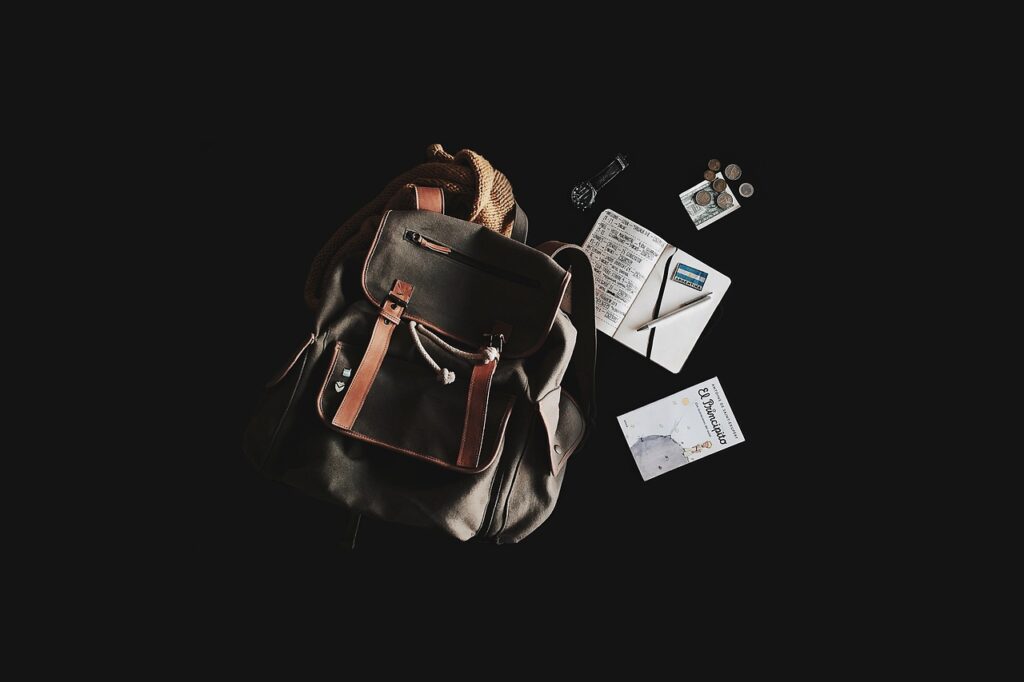
Packing can make even the most seasoned traveler anxious. A well-prepared travel guide offers detailed strategies to make packing efficient and stress-free.
First, create a checklist. Separate your essentials into categories: clothing, toiletries, gadgets, documents, and medication. Always pack according to the climate and duration of your trip. A practical travel guide advises layering clothes — it’s efficient and space-saving.
Invest in quality travel accessories: packing cubes, compression bags, and a universal adapter. These tools help you stay organized and maximize luggage space.
Keep your travel documents (passport, ID, insurance, and tickets) in a dedicated folder. A digital backup — stored securely on your phone or cloud — ensures peace of mind in case of loss.
Every expert travel guide also highlights the importance of a small emergency kit — bandages, basic medicine, sanitizer, and a reusable water bottle.
Remember, packing light is a skill. The less you carry, the more freely you can move. As a travel guide would say, “Pack what you need, not what you fear you might need.”
Smart packing equals smart traveling — and it’s one of the most underrated secrets of every professional travel guide.
6. Stay Mindful and Flexible — The True Spirit of Travel
Even the best-laid plans can go astray. Flights delay, weather changes, and schedules shift. The ultimate travel guide teaches adaptability — because great travelers don’t just go with the plan, they go with the flow.
Mindfulness during travel means staying present. Don’t rush from one attraction to another; take moments to breathe, observe, and connect. Engage with locals, try new foods, and learn a few phrases in their language. A compassionate travel guide emphasizes that genuine experiences often come from unexpected encounters.
Flexibility also builds resilience. When things don’t go as planned, stay calm and look for alternatives. Perhaps a missed train leads to discovering a charming town you’d have otherwise skipped.
This travel guide also recommends maintaining a digital detox — at least for a few hours daily. Disconnect from your screen and reconnect with your surroundings.
Finally, travel safely. Keep emergency contacts handy, follow local laws, and trust your instincts. Mindfulness isn’t just about peace — it’s about awareness.
As a travel guide reminds us, the best journeys are not the ones that go perfectly but the ones that teach us the most.

Conclusion: The Journey Beyond the Destination
In the end, the true value of a travel guide lies not merely in logistics, maps, or itineraries — but in the deep sense of inspiration it awakens within us. A great trip is never just about crossing destinations off a list; it’s about what you discover within yourself along the way. The purpose of a travel guide is not only to help you get from one place to another but to help you understand the world — its people, its cultures, and its hidden corners — and in doing so, understand yourself a little better too.
This travel guide has walked you through 10 expert tips for planning your perfect vacation — from the initial stages of research and budgeting to packing efficiently, creating balance in your itinerary, and embracing mindfulness while on the road. But beyond these strategies, there’s something more profound to take away: travel is an experience of growth. It’s a journey of patience, perspective, and purpose. Every time you step outside your comfort zone, you learn something new — not just about the world but about who you are, what you value, and how you see life.
Every destination, no matter how grand or humble, teaches us a lesson. Airports teach patience. Foreign cities teach humility. Shared laughter with strangers teaches connection. And every small discovery — a sunset over a quiet beach, a warm conversation with a local vendor, or the first bite of an unfamiliar dish — fills your memory with joy. As a travel guide often reminds us, travel doesn’t just broaden your horizons; it expands your heart. It teaches you that the world is vast, diverse, and beautiful — and that you are part of it in ways you never imagined.
So, before you set out on your next journey, pause for a moment. Remember that a well-planned trip doesn’t eliminate surprises; it prepares you to embrace them. A delayed flight may lead to a new friendship. A wrong turn may lead to a breathtaking view. The beauty of travel lies in its unpredictability — and a good travel guide gives you the confidence to navigate it all with grace.
Use this travel guide as your compass — practical yet inspiring, structured yet soulful. Let it guide you toward experiences that feed your mind and nourish your spirit. Let it remind you that travel isn’t just movement — it’s meaning. It’s about collecting not just photos, but feelings; not just souvenirs, but stories.
Because in the end, the best kind of traveler isn’t the one who visits the most countries or ticks off the longest bucket list. The best traveler is the one who moves through the world with curiosity, gratitude, and awareness — someone who understands that every journey, big or small, holds a lesson. Traveling with intention transforms ordinary trips into extraordinary memories. It’s not about how far you go, but how deeply you experience each moment.
So let this travel guide be your reminder — travel with purpose, explore with an open heart, and return home not just with memories, but with wisdom. Because the truest journey of all is not the one that takes you around the world, but the one that takes you closer to yourself.
FAQ Section: Your Practical Travel Guide Answers
1. Why do I need a travel guide when planning a vacation?
A travel guide provides expert insights into destinations, travel safety, budgeting, and cultural etiquette. It helps you plan effectively, avoid common mistakes, and experience your trip more deeply.
2. What is the difference between a travel guide and a tour guide?
A travel guide is a resource — a book, blog, or digital platform that helps you plan independently. A tour guide is a person who accompanies and explains during your journey. Both are valuable in different ways.
3. How can I use a travel guide to save money?
A good travel guide lists budget-friendly accommodations, affordable eateries, and free attractions. It also offers practical advice on transportation passes and discount deals for major sites.
4. Are online travel guides reliable?
Yes — as long as you use verified sources. Platforms like Lonely Planet, National Geographic, and government tourism sites publish updated and trustworthy travel guides.
5. Can a travel guide help first-time travelers?
Absolutely. A travel guide simplifies planning for beginners by covering essentials like documentation, packing lists, travel insurance, and local etiquette — reducing stress and confusion.
6. How often should I refer to a travel guide during my trip?
Use a travel guide as a reference, not a rulebook. Check it before visiting new places but allow spontaneity — sometimes, the best discoveries are off-script.
7. How do travel guides stay updated?
Professional travel guides update their information through traveler feedback, local tourism boards, and continuous research. That’s why it’s wise to read the latest editions or digital versions.
8. Can I create my own travel guide?
Yes! Many travelers journal their trips and later turn them into personalized travel guides for others. Sharing real experiences adds authenticity to the travel community.
9. What’s the best way to use a travel guide for road trips or flights?
For road trips, a travel guide can help plan routes, rest stops, and scenic spots. For flights, it can recommend travel snacks, airport hacks, and jet lag remedies.
10. Is it worth paying for premium travel guide apps?
If you travel frequently, yes. Paid travel guides often offer offline maps, curated itineraries, and local recommendations — ideal for travelers who value convenience and accuracy.