
Table of Contents
Introduction: Why Travel Wardrobe Basics Matter for Easy Packing
Packing is one of the most confusing parts of travel, especially for students. We all have faced that moment when the bag is full, but still it feels like something important is missing. This is where Travel Wardrobe Basic come into play. When you understand and follow basic wardrobe principles, packing becomes simple, light, and stress free.
As a student traveler, I have made many packing mistakes in the past. Carrying too many clothes, packing outfits that never got worn, or forgetting essentials that could have saved space.
Over time, I realized that Travel Wardrobe Basics are not about having more clothes, but about having the right clothes. Basics help you create multiple outfits with fewer items.
Travel Wardrobe Basic are especially important for budget trips. Students often travel with limited luggage allowance, shared hostel rooms, and constant movement. Heavy bags make travel tiring and uncomfortable. With proper basics, you save space, reduce weight, and still look decent throughout the trip.
This blog is written from a student perspective. No luxury wardrobes or expensive brands, only practical advice that works in real travel situations. These 7 Travel Wardrobe Basics will help you pack smarter, travel lighter, and enjoy your journey more without overthinking outfits.
Basic 1: Neutral Tops That Match Everything
Neutral tops are the foundation of Travel Wardrobe Basics. Colors like white, black, beige, grey, and navy go with almost everything. When you pack neutral tops, you automatically reduce the number of clothes needed because each top can be paired with multiple bottoms.
For students, cotton or blended fabric tops work best. They are breathable, easy to wash, and dry quickly. This is very helpful when staying in hostels or budget accommodations. Neutral tops also look clean and simple in travel photos.
One of the biggest mistakes students make is packing too many printed or bright tops. These are hard to repeat in photos and difficult to match. Travel Wardrobe Basics teach you to focus on repeat value. A simple white t shirt can be worn during travel, sightseeing, or even casual evenings.
Choosing relaxed fit tops is another important part of Travel Wardrobe Basics. Comfort matters more than trend when you are walking all day or sitting for long hours. Neutral tops give flexibility, comfort, and style without effort.

Basic 2: Comfortable Bottoms for Long Travel Days
Bottom wear decides how comfortable your journey will be. One of the most important Travel Wardrobe Basics is choosing bottoms that allow free movement. Joggers, stretchable jeans, and chinos are perfect options for students.
Joggers are ideal for trains, buses, and flights. They are soft, flexible, and easy to sit in for long hours. Stretchable jeans are good if you want a slightly dressed look, but avoid tight fits. Chinos are lightweight and work well for both travel and casual outings.
Students should avoid carrying too many bottoms. According to Travel Wardrobe Basics, two or three bottoms are enough for most trips. Choose dark colors because they hide dust and stains better. This helps you rewear outfits without worrying too much.
Comfortable bottoms make walking, climbing stairs, and handling luggage easier. Travel Wardrobe Basics focus on practicality, not fashion pressure. When your lower body feels relaxed, the entire journey feels easier.
Basic 3: Layering Essentials for Changing Weather
Weather is unpredictable during travel. Air conditioned buses, cold flights, rainy evenings, or hill stations can quickly make you uncomfortable. That is why layering is one of the smartest Travel Wardrobe Basics.
A light jacket, hoodie, shrug, or denim jacket can completely change how prepared you feel. These items do not take much space and can be used multiple times. Layering allows you to adjust your outfit according to temperature without changing completely.
For students, layering also helps save money. Instead of packing heavy winter wear, one good layering piece can handle mild cold. Travel Wardrobe Basics always focus on items that serve more than one purpose.
Layering also adds style to simple outfits. A plain t shirt and joggers can look better with a jacket. This makes your Travel Wardrobe Basics both functional and visually appealing.
Basic 4: Footwear That Supports Walking and Travel
Footwear is often ignored during packing, but it is one of the most important Travel Wardrobe Basics. Uncomfortable shoes can ruin even the best planned trip. Students usually walk a lot during travel, so footwear should be chosen carefully.
Sneakers are the best option for travel. They support walking, standing, and long travel hours. Slip on shoes are also useful for quick movements. Sandals can be carried for beach or relaxed days, but they should not be your main travel footwear.
Travel Wardrobe Basics suggest limiting footwear to two pairs. One comfortable pair for travel and walking, and one light pair for casual use. This saves space and weight.
Never carry new shoes for travel. Always test footwear before the trip. Comfortable feet mean a happy journey, and this is a golden rule of Travel Wardrobe Basics.
Basic 5: Innerwear and Sleepwear You Can Reuse Comfortably
Innerwear and sleepwear are often overpacked by students. Travel Wardrobe Basics teach you to pack smart even here. Choose quick drying innerwear that can be washed easily. This reduces the number you need to carry.
Sleepwear can double as lounge wear in hostels. Soft t shirts and pajamas work well. Avoid heavy nightwear that takes space. Comfortable sleep is important during travel, especially after long days.
When innerwear and sleepwear are comfortable, your overall travel experience improves. Travel Wardrobe Basics focus on comfort from inside out, not just outer appearance.
Basic 6: Accessories That Upgrade Simple Outfits
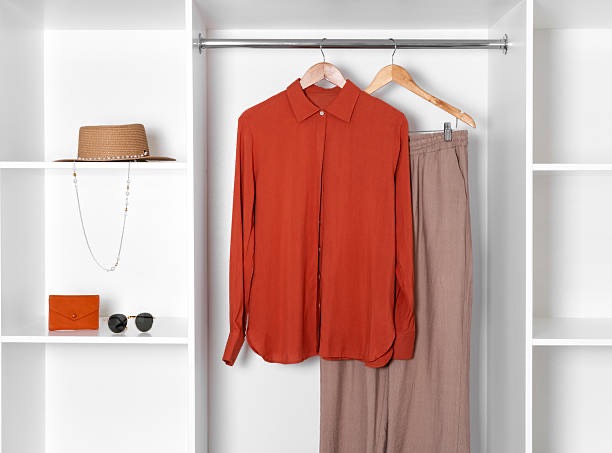
Accessories are small but powerful Travel Wardrobe Basics. A scarf, cap, belt, watch, or sunglasses can change the look of an outfit without adding weight. Students can use accessories to repeat outfits without looking boring.
Scarves are especially useful. They can be used for warmth, sun protection, or style. Caps protect from sun and help on bad hair days. Sunglasses are practical and stylish.
Travel Wardrobe Basics recommend choosing accessories that are lightweight and useful. Avoid unnecessary jewelry or heavy items. Accessories should simplify travel, not complicate it.
Basic 7: A Backpack or Day Bag That Completes Your Travel Wardrobe
A good backpack or sling bag is part of Travel Wardrobe Basics. It carries your essentials and completes your look. For students, backpacks with multiple compartments work best.
Your bag should be comfortable on shoulders and not too heavy. It should match most of your outfits. Neutral colored bags work well for travel.
Travel Wardrobe Basics are incomplete without the right bag. It keeps your belongings safe and supports your daily movement during travel.
Frequently Asked Questions About Travel Wardrobe Basics
What are Travel Wardrobe Basics for students
Travel Wardrobe Basics for students include neutral tops, comfortable bottoms, layering pieces, supportive footwear, minimal accessories, and a functional bag. These basics help students pack light and travel comfortably.
How many clothes should a student pack using Travel Wardrobe Basics
Using Travel Wardrobe Basics, students can pack 7 to 10 clothing items for a week long trip. Mixing and matching reduces the need for extra clothes.
Can Travel Wardrobe Basics still look stylish
Yes, Travel Wardrobe Basics focus on clean and simple style. Neutral colors and good fit make outfits look neat and confident.
Do Travel Wardrobe Basics work for all destinations
Yes, Travel Wardrobe Basics can be adapted to beaches, cities, or hills with small changes in layering and footwear.
How do Travel Wardrobe Basics help save money
They reduce overpacking, prevent unnecessary shopping, and help reuse outfits. This makes travel more budget friendly for students.
Packing is one of the most confusing parts of travel, especially for students. We all have faced that moment when the bag is full, but still it feels like something important is missing. This is where Travel Wardrobe Basics come into play. When you understand and follow basic wardrobe principles, packing becomes simple, light, and stress free.
As a student traveler, I have made many packing mistakes in the past. Carrying too many clothes, packing outfits that never got worn, or forgetting essentials that could have saved space. Over time, I realized that Travel Wardrobe Basics are not about having more clothes, but about having the right clothes. Basics help you create multiple outfits with fewer items.
Travel Wardrobe Basics are especially important for budget trips. Students often travel with limited luggage allowance, shared hostel rooms, and constant movement. Heavy bags make travel tiring and uncomfortable. With proper basics, you save space, reduce weight, and still look decent throughout the trip.
This blog is written from a student perspective. No luxury wardrobes or expensive brands, only practical advice that works in real travel situations. These 7 Travel Wardrobe Basics will help you pack smarter, travel lighter, and enjoy your journey more without overthinking outfits.
Basic 1: Neutral Tops That Match Everything
Neutral tops are the foundation of Travel Wardrobe Basics. Colors like white, black, beige, grey, and navy go with almost everything. When you pack neutral tops, you automatically reduce the number of clothes needed because each top can be paired with multiple bottoms.
For students, cotton or blended fabric tops work best. They are breathable, easy to wash, and dry quickly. This is very helpful when staying in hostels or budget accommodations. Neutral tops also look clean and simple in travel photos.
One of the biggest mistakes students make is packing too many printed or bright tops. These are hard to repeat in photos and difficult to match. Travel Wardrobe Basics teach you to focus on repeat value. A simple white t shirt can be worn during travel, sightseeing, or even casual evenings.
Choosing relaxed fit tops is another important part of Travel Wardrobe Basics. Comfort matters more than trend when you are walking all day or sitting for long hours. Neutral tops give flexibility, comfort, and style without effort.
Basic 2: Comfortable Bottoms for Long Travel Days
Bottom wear decides how comfortable your journey will be. One of the most important Travel Wardrobe Basics is choosing bottoms that allow free movement. Joggers, stretchable jeans, and chinos are perfect options for students.
Joggers are ideal for trains, buses, and flights. They are soft, flexible, and easy to sit in for long hours. Stretchable jeans are good if you want a slightly dressed look, but avoid tight fits. Chinos are lightweight and work well for both travel and casual outings.
Students should avoid carrying too many bottoms. According to Travel Wardrobe Basics, two or three bottoms are enough for most trips. Choose dark colors because they hide dust and stains better. This helps you rewear outfits without worrying too much.
Comfortable bottoms make walking, climbing stairs, and handling luggage easier. Travel Wardrobe Basics focus on practicality, not fashion pressure. When your lower body feels relaxed, the entire journey feels easier.
Basic 3: Layering Essentials for Changing Weather
Weather is unpredictable during travel. Air conditioned buses, cold flights, rainy evenings, or hill stations can quickly make you uncomfortable. That is why layering is one of the smartest Travel Wardrobe Basics.
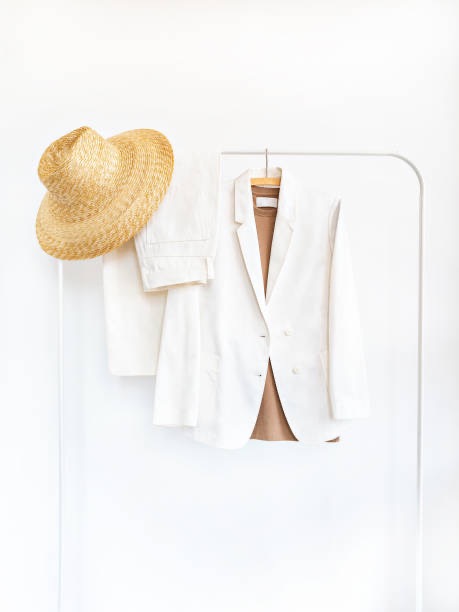
A light jacket, hoodie, shrug, or denim jacket can completely change how prepared you feel. These items do not take much space and can be used multiple times. Layering allows you to adjust your outfit according to temperature without changing completely.
For students, layering also helps save money. Instead of packing heavy winter wear, one good layering piece can handle mild cold. Travel Wardrobe Basics always focus on items that serve more than one purpose.
Layering also adds style to simple outfits. A plain t shirt and joggers can look better with a jacket. This makes your Travel Wardrobe Basics both functional and visually appealing.
Basic 4: Footwear That Supports Walking and Travel
Footwear is often ignored during packing, but it is one of the most important Travel Wardrobe Basics. Uncomfortable shoes can ruin even the best planned trip. Students usually walk a lot during travel, so footwear should be chosen carefully.
Sneakers are the best option for travel. They support walking, standing, and long travel hours. Slip on shoes are also useful for quick movements. Sandals can be carried for beach or relaxed days, but they should not be your main travel footwear.
Travel Wardrobe Basics suggest limiting footwear to two pairs. One comfortable pair for travel and walking, and one light pair for casual use. This saves space and weight.
Never carry new shoes for travel. Always test footwear before the trip. Comfortable feet mean a happy journey, and this is a golden rule of Travel Wardrobe Basics.
Basic 5: Innerwear and Sleepwear You Can Reuse Comfortably
Innerwear and sleepwear are often overpacked by students. Travel Wardrobe Basics teach you to pack smart even here. Choose quick drying innerwear that can be washed easily. This reduces the number you need to carry.
Sleepwear can double as lounge wear in hostels. Soft t shirts and pajamas work well. Avoid heavy nightwear that takes space. Comfortable sleep is important during travel, especially after long days.
When innerwear and sleepwear are comfortable, your overall travel experience improves. Travel Wardrobe Basics focus on comfort from inside out, not just outer appearance.
Basic 6: Accessories That Upgrade Simple Outfits
Accessories are small but powerful Travel Wardrobe Basics. A scarf, cap, belt, watch, or sunglasses can change the look of an outfit without adding weight. Students can use accessories to repeat outfits without looking boring.
Scarves are especially useful. They can be used for warmth, sun protection, or style. Caps protect from sun and help on bad hair days. Sunglasses are practical and stylish.
Travel Wardrobe Basics recommend choosing accessories that are lightweight and useful. Avoid unnecessary jewelry or heavy items. Accessories should simplify travel, not complicate it.
Basic 7: A Backpack or Day Bag That Completes Your Travel Wardrobe
A good backpack or sling bag is part of Travel Wardrobe Basics. It carries your essentials and completes your look. For students, backpacks with multiple compartments work best.
Your bag should be comfortable on shoulders and not too heavy. It should match most of your outfits. Neutral colored bags work well for travel.
Travel Wardrobe Basics are incomplete without the right bag. It keeps your belongings safe and supports your daily movement during travel.
Frequently Asked Questions About Travel Wardrobe Basics
What are Travel Wardrobe Basics for students
Travel Wardrobe Basics for students include neutral tops, comfortable bottoms, layering pieces, supportive footwear, minimal accessories, and a functional bag. These basics help students pack light and travel comfortably.
How many clothes should a student pack using Travel Wardrobe Basics
Using Travel Wardrobe Basics, students can pack 7 to 10 clothing items for a week long trip. Mixing and matching reduces the need for extra clothes.
Can Travel Wardrobe Basics still look stylish
Yes, Travel Wardrobe Basics focus on clean and simple style. Neutral colors and good fit make outfits look neat and confident.
Do Travel Wardrobe Basics work for all destinations
Yes, Travel Wardrobe Basics can be adapted to beaches, cities, or hills with small changes in layering and footwear.
How do Travel Wardrobe Basics help save money
They reduce overpacking, prevent unnecessary shopping, and help reuse outfits. This makes travel more budget friendly for students.

Introduction: Why Travel Wardrobe Basics Matter for Easy Packing
Packing is one of the most confusing parts of travel, especially for students. We all have faced that moment when the bag is full, but still it feels like something important is missing. This is where Travel Wardrobe Basics come into play. When you understand and follow basic wardrobe principles, packing becomes simple, light, and stress free.
As a student traveler, I have made many packing mistakes in the past. Carrying too many clothes, packing outfits that never got worn, or forgetting essentials that could have saved space. Over time, I realized that Travel Wardrobe Basics are not about having more clothes, but about having the right clothes. Basics help you create multiple outfits with fewer items.
Travel Wardrobe Basics are especially important for budget trips. Students often travel with limited luggage allowance, shared hostel rooms, and constant movement. Heavy bags make travel tiring and uncomfortable. With proper basics, you save space, reduce weight, and still look decent throughout the trip.
This blog is written from a student perspective. No luxury wardrobes or expensive brands, only practical advice that works in real travel situations. These 7 Travel Wardrobe Basics will help you pack smarter, travel lighter, and enjoy your journey more without overthinking outfits.
Basic 1: Neutral Tops That Match Everything
Neutral tops are the foundation of Travel Wardrobe Basics. Colors like white, black, beige, grey, and navy go with almost everything. When you pack neutral tops, you automatically reduce the number of clothes needed because each top can be paired with multiple bottoms.
For students, cotton or blended fabric tops work best. They are breathable, easy to wash, and dry quickly. This is very helpful when staying in hostels or budget accommodations. Neutral tops also look clean and simple in travel photos.
One of the biggest mistakes students make is packing too many printed or bright tops. These are hard to repeat in photos and difficult to match. Travel Wardrobe Basics teach you to focus on repeat value. A simple white t shirt can be worn during travel, sightseeing, or even casual evenings.
Choosing relaxed fit tops is another important part of Travel Wardrobe Basics. Comfort matters more than trend when you are walking all day or sitting for long hours. Neutral tops give flexibility, comfort, and style without effort.
Basic 2: Comfortable Bottoms for Long Travel Days
Bottom wear decides how comfortable your journey will be. One of the most important Travel Wardrobe Basics is choosing bottoms that allow free movement. Joggers, stretchable jeans, and chinos are perfect options for students.
Joggers are ideal for trains, buses, and flights. They are soft, flexible, and easy to sit in for long hours. Stretchable jeans are good if you want a slightly dressed look, but avoid tight fits. Chinos are lightweight and work well for both travel and casual outings.
Students should avoid carrying too many bottoms. According to Travel Wardrobe Basics, two or three bottoms are enough for most trips. Choose dark colors because they hide dust and stains better. This helps you rewear outfits without worrying too much.
Comfortable bottoms make walking, climbing stairs, and handling luggage easier. Travel Wardrobe Basics focus on practicality, not fashion pressure. When your lower body feels relaxed, the entire journey feels easier.
Basic 3: Layering Essentials for Changing Weather
Weather is unpredictable during travel. Air conditioned buses, cold flights, rainy evenings, or hill stations can quickly make you uncomfortable. That is why layering is one of the smartest Travel Wardrobe Basics.
A light jacket, hoodie, shrug, or denim jacket can completely change how prepared you feel. These items do not take much space and can be used multiple times. Layering allows you to adjust your outfit according to temperature without changing completely.
For students, layering also helps save money. Instead of packing heavy winter wear, one good layering piece can handle mild cold. Travel Wardrobe Basics always focus on items that serve more than one purpose.
Layering also adds style to simple outfits. A plain t shirt and joggers can look better with a jacket. This makes your Travel Wardrobe Basics both functional and visually appealing.
Basic 4: Footwear That Supports Walking and Travel
Footwear is often ignored during packing, but it is one of the most important Travel Wardrobe Basic. Uncomfortable shoes can ruin even the best planned trip. Students usually walk a lot during travel, so footwear should be chosen carefully.
Sneakers are the best option for travel. They support walking, standing, and long travel hours. Slip on shoes are also useful for quick movements. Sandals can be carried for beach or relaxed days, but they should not be your main travel footwear.
Travel Wardrobe Basics suggest limiting footwear to two pairs. One comfortable pair for travel and walking, and one light pair for casual use. This saves space and weight.
Never carry new shoes for travel. Always test footwear before the trip. Comfortable feet mean a happy journey, and this is a golden rule of Travel Wardrobe Basic.
Basic 5: Innerwear and Sleepwear You Can Reuse Comfortably
Innerwear and sleepwear are often overpacked by students. Travel Wardrobe Basics teach you to pack smart even here. Choose quick drying innerwear that can be washed easily. This reduces the number you need to carry.
Sleepwear can double as lounge wear in hostels. Soft t shirts and pajamas work well. Avoid heavy nightwear that takes space. Comfortable sleep is important during travel, especially after long days.
When innerwear and sleepwear are comfortable, your overall travel experience improves. Travel Wardrobe Basic focus on comfort from inside out, not just outer appearance.
Basic 6: Accessories That Upgrade Simple Outfits
Accessories are small but powerful Travel Wardrobe Basics. A scarf, cap, belt, watch, or sunglasses can change the look of an outfit without adding weight. Students can use accessories to repeat outfits without looking boring.
Scarves are especially useful. They can be used for warmth, sun protection, or style. Caps protect from sun and help on bad hair days. Sunglasses are practical and stylish.
Travel Wardrobe Basics recommend choosing accessories that are lightweight and useful. Avoid unnecessary jewelry or heavy items. Accessories should simplify travel, not complicate it.
Basic 7: A Backpack or Day Bag That Completes Your Travel Wardrobe
A good backpack or sling bag is part of Travel Wardrobe Basics. It carries your essentials and completes your look. For students, backpacks with multiple compartments work best.
Your bag should be comfortable on shoulders and not too heavy. It should match most of your outfits. Neutral colored bags work well for travel.
Travel Wardrobe Basic are incomplete without the right bag. It keeps your belongings safe and supports your daily movement during travel.
Frequently Asked Questions About Travel Wardrobe Basic
What are Travel Wardrobe Basic for students
Travel Wardrobe Basics for students include neutral tops, comfortable bottoms, layering pieces, supportive footwear, minimal accessories, and a functional bag. These basics help students pack light and travel comfortably.
How many clothes should a student pack using Travel Wardrobe Basic
Using Travel Wardrobe Basics, students can pack 7 to 10 clothing items for a week long trip. Mixing and matching reduces the need for extra clothes.
Can Travel Wardrobe Basic still look stylish
Yes, Travel Wardrobe Basics focus on clean and simple style. Neutral colors and good fit make outfits look neat and confident.
Do Travel Wardrobe Basic work for all destinations
Yes, Travel Wardrobe Basics can be adapted to beaches, cities, or hills with small changes in layering and footwear.
How do Travel Wardrobe Basic help save money
They reduce overpacking, prevent unnecessary shopping, and help reuse outfits. This makes travel more budget friendly for students.