
Table of Contents
Mountains are magical.
The silence that feels louder than city noise.
The snow-covered peaks glowing under sunrise.
The winding roads that test your driving skills.
The feeling of standing above the clouds, breathing in what feels like the purest air on Earth.
Mountain travel gives you something no luxury resort ever can — perspective.
But here’s the truth most travel reels don’t show:
The mountains are beautiful, but they are unforgiving.
And there’s one thing they don’t give you freely — oxygen.
At sea level, breathing is effortless. You don’t think about it. Your body automatically absorbs what it needs. But once you cross 8,000–10,000 feet, things begin to change.
The air feels thinner.
Your breathing becomes slightly heavier.
You get tired faster than usual.
And if you’ve ever traveled to high-altitude destinations like Leh-Ladakh, Spiti Valley, or the mighty Himalayas, you already know how different your body feels once you step out of the car or finish a short climb.
Headaches that appear suddenly.
Breathlessness even while walking slowly.
Fatigue that doesn’t match your fitness level.
Dizziness that feels unexpected.
And sometimes, anxiety — simply because your body senses something unfamiliar.
This is not weakness.
This is altitude.
That’s exactly why carrying a portable oxygen cylind during mountain travel in 2026 is no longer just an “extra” item — it’s smart preparation.
Modern travelers invest in drones, action cameras, riding gear, thermal jackets, and trekking shoes. But many still ignore one of the most important mountain essentials
: emergency oxygen support.
When you’re traveling hundreds of kilometers away from the nearest well-equipped hospital, especially in remote high-altitude areas, small health issues can quickly feel big.
A portable oxygen cylind doesn’t mean you expect something to go wrong.
It means you respect the mountains enough to be ready.
In this detailed high-altitude buying guide, you’ll learn:
- Why oxygen levels drop in the mountains
- Who actually needs a portable oxygen cylind
- When it becomes necessary
- How to choose the right type
- And how to avoid common buying mistakes
Let’s make your mountain adventure safe, confident, and stress-free.
Because adventure should challenge your limits — not your lungs.
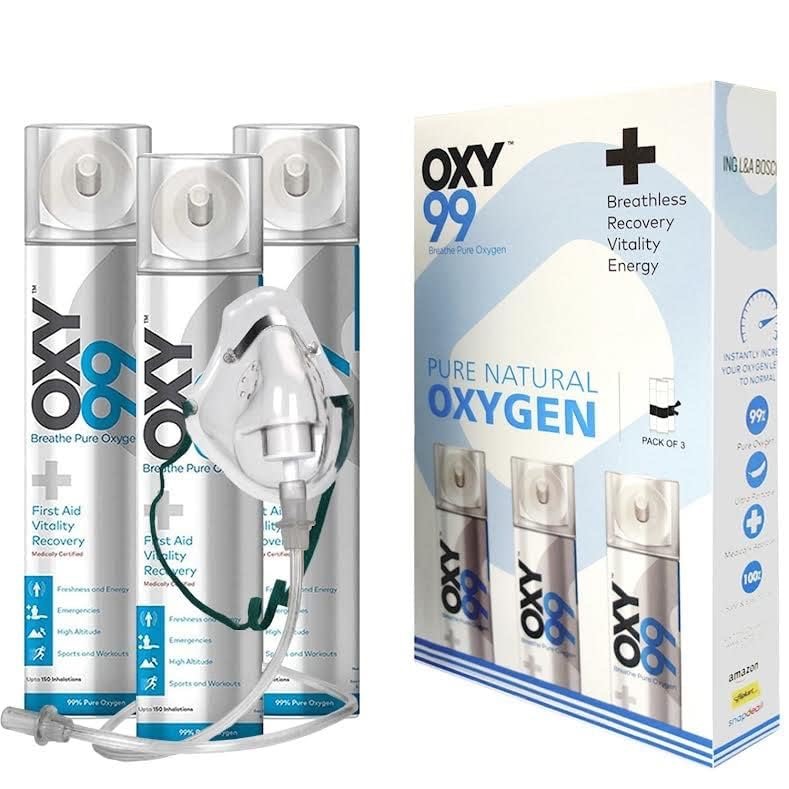
Why You May Need an Oxygen Cylinder in the Mountains
To understand why a portable oxygen cylinder matters, let’s first understand what actually happens at high altitude.
As altitude increases, air pressure decreases. This means the amount of oxyg available in each breath reduces. Even though the percentage of oxygen in the air remains the same (about 21%), the number of oxygen molecules per breath becomes lower.
At sea level, your body works comfortably.
But above 8,000 feet, your body has to work harder to extract oxygen.
Your heart rate increases. Your breathing becomes faster. You may not notice it immediately, but your system is adjusting.
Now imagine traveling directly from a city like Delhi or Mumbai to Leh at 11,500 feet within a few hours. Your body doesn’t get time to adapt gradually.
That’s when symptoms can begin.
For example:
- Leh sits at around 11,500 ft
- Many Himalayan mountain passes cross 15,000–18,000 ft
- Popular trekking routes often exceed 14,000 ft
At these heights, Acute Mountain Sickness (AMS) becomes a real possibility.
Common AMS symptoms include:
- Persistent headache
- Nausea
- Vomiting
- Dizziness
- Shortness of breath
- Difficulty sleeping
- Loss of appetite
- Extreme fatigue
For most healthy travelers, these symptoms are mild and temporary. But in some cases, they can worsen if ignored.
This is where a portable oxygen cylind becomes extremely useful.
It helps by:
✔ Providing temporary oxygen support when breathlessness increases
✔ Reducing discomfort during sudden altitude exposure
✔ Acting as emergency backup in remote mountain areas
✔ Offering reassurance for elderly travelers or those with lower stamina
✔ Helping stabilize mild symptoms until medical help is available
It is important to understand one thing clearly:
An oxygen cylind is not a cure for altitude sickness.
It is temporary support.
The best prevention is still proper acclimatization — resting on the first day, drinking plenty of fluids, and ascending gradually.
However, in real travel situations, things don’t always go perfectly.
You might:
- Travel by road and suddenly cross 15,000 ft passes
- Experience symptoms late at night when medical help is far
- Travel with family members who react differently to altitude
- Be trekking in areas with limited emergency access
In such cases, having a portable oxygen cylind gives you immediate assistance.
It reduces panic.
It gives you time.
And in the mountains, time matters.
Many experienced travelers now treat a portable oxygen cylind like a seatbelt — you hope you never need it, but you’re grateful it’s there.
Because mountain travel isn’t about expecting problems.
It’s about preparing responsibly.
The mountains reward those who respect them.
And carrying a portable oxygen cylind is one of the simplest ways to show that respect.
Mountains are magical.
The silence.
The snow peaks.
The winding roads.
The feeling of being above the clouds.
But there’s one thing the mountains don’t give you freely — oxygen.
If you’ve ever traveled to high-altitude destinations like Leh-Ladakh, Spiti Valley, or the Himalayas, you already know how different your body feels above 10,000 feet.
Headaches.
Breathlessness.
Fatigue.
Dizziness.
And that’s exactly why carrying a portable oxygen cylindr during mountain travel in 2026 is no longer optional — it’s smart preparation.
In this detailed guide, I’ll help you choose the best portable oxyge cylind for mountain travel, understand who actually needs it, and avoid common buying mistakes.
Let’s make your mountain adventure safe and stress-free.
Why You May Need an Oxygen Cylinr in the Mountains
At high altitudes, oxygen levels drop significantly.
For example:
- Leh sits at around 11,500 ft
- Many Himalayan passes cross 15,000–18,000 ft
Your body needs time to adjust. Without acclimatization, you may experience Acute Mountain Sickness (AMS).
A portable oxygen cylinr helps by:
- Providing temporary oxygen support
- Reducing breathlessness
- Offering emergency backup in remote areas
- Giving mental reassurance in extreme conditions
It’s not about panic.
It’s about preparedness.
7 Best Portable Oxygen Cylinder for Mountain Travel in 2026
1️⃣ Boost Oxygen Portable Can (Best Overall for Travelers)
One of the most popular travel-friendly oxygen options worldwide.
Why It’s Good:
- Lightweight and compact
- Easy spray mask system
- No prescription needed
- Perfect for short-term altitude discomfort
Best For:
- First-time Leh-Ladakh travelers
- Road trips
- Short treks
👉 Place Affiliate Link Here
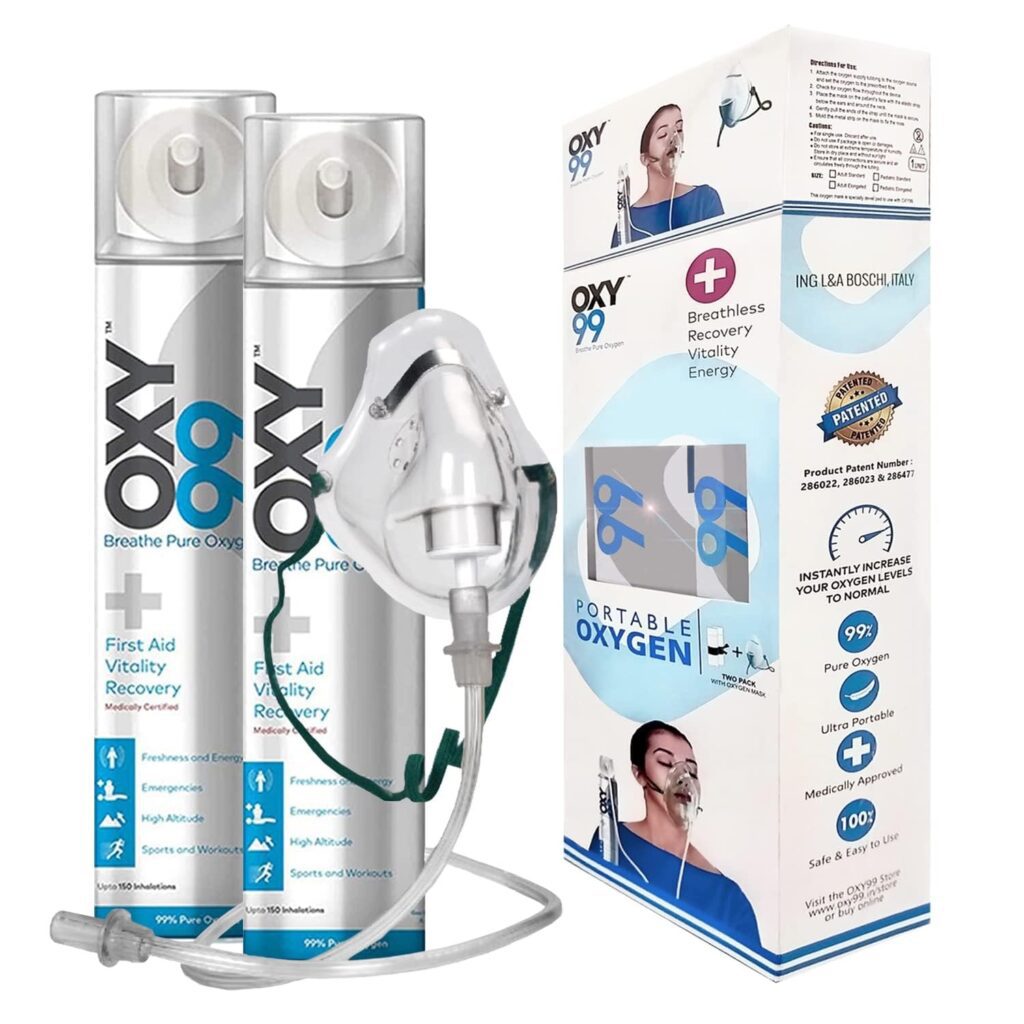
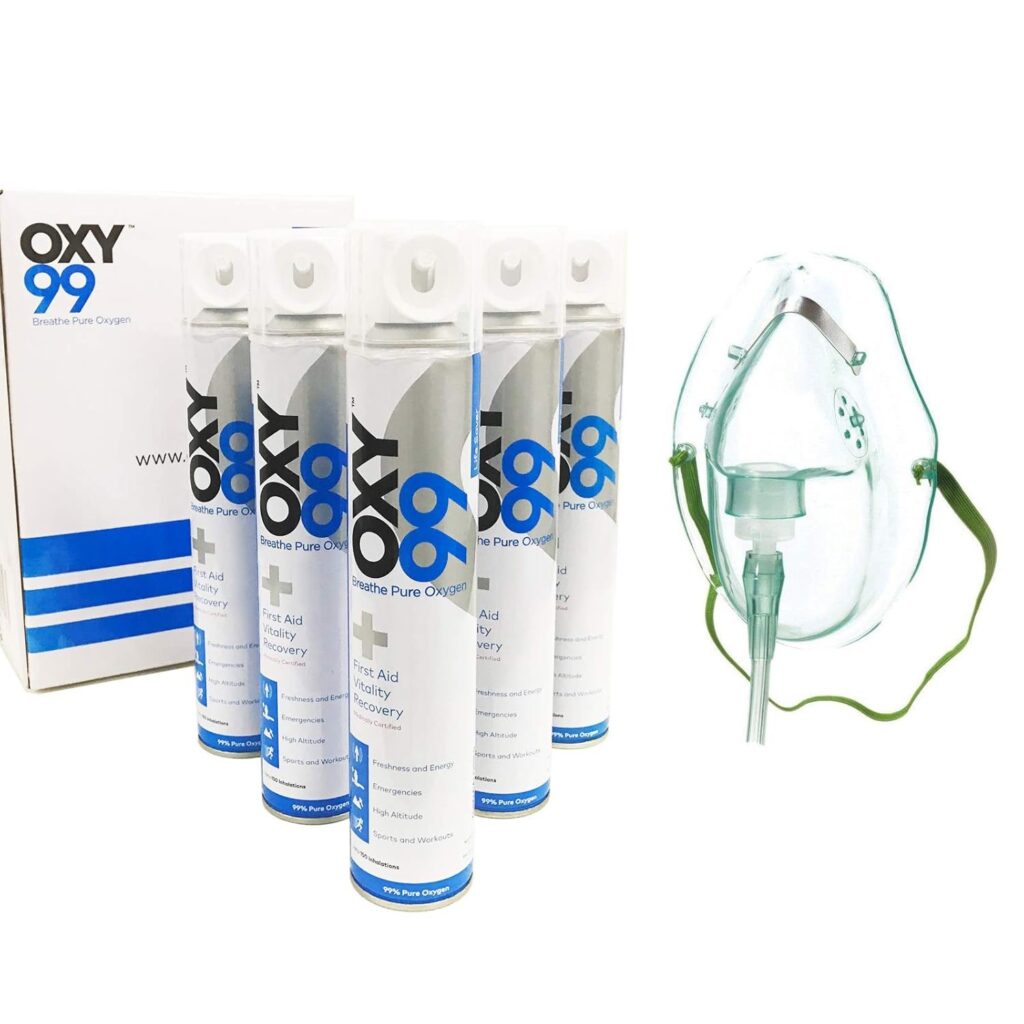
2️⃣ Oxy99 Portable Oxygen Cylier (Best for Indian Mountain Trips)
Very popular among Indian bikers and road trippers heading to high-altitude regions.
Highlights:
- Lightweight aluminum can
- 99% pure oxygen
- Easy trigger spray
- Affordable pricing
Best For:
- Bike trips to Ladakh
- Spiti road trips
- Family mountain vacations
3️⃣ Vitality 95 Portable Oxygen Can (Best Budget Option)
If you’re looking for a pocket-friendly option, this is worth considering.
Pros:
- Budget-friendly
- Good oxygen purity
- Simple inhaler mask
Ideal For:
- Students
- Budget travelers
- Short-duration exposure
4️⃣ Drive Medical Portable Oxygen Cylinder Kit (Best Medical-Grade Option)
This is not just a spray can — it’s a proper portable medical oxygen system.
Why It Stands Out:
- Longer oxygen supply duration
- Durable cylinder
- Professional-grade build
Best For:
- Elderly travelers
- Pre-existing breathing issues
- Long high-altitude stays
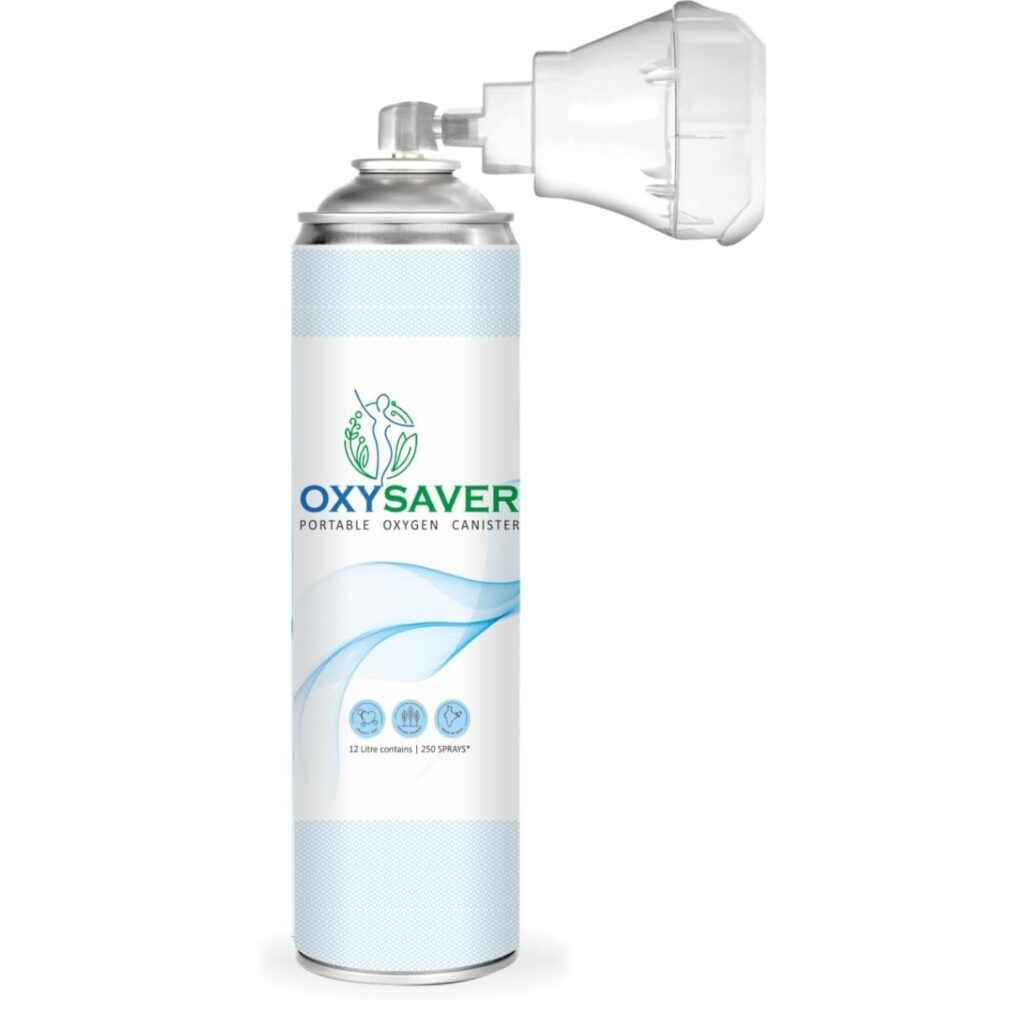
5️⃣ Himalayan Portable Oxygen Can (Best for Trekking Groups)
Designed especially for Himalayan regions.
Features:
- Compact design
- Travel-ready packaging
- Affordable multi-pack options
Perfect For:
- Trek leaders
- Group treks
- Emergency backup
6️⃣ EverGo Portable Oxygen System (Best for Long-Term High-Altitude Stay)
More advanced than basic cans.
Best For:
- Digital nomads in mountains
- Long study programs
- Extended trekking expeditions
It’s heavier but more reliable for long-term oxygen support.
7️⃣ DIY Travel Oxygen Safety Combo (Smartest Backup Strategy)
Sometimes the best solution is combining:
- 1 portable oxygen cylinder
- Basic first aid kit
- ORS sachets
- Doctor-advised medication
This balanced approach ensures you’re not overpacking but still prepared.
How to Choose the Right Oxygen Cylinder for Mountain Travel
Before buying, ask yourself:
1. How High Are You Going?
Above 10,000 ft → Carry at least a basic oxygen can.
2. How Long Is Your Trip?
1–3 days → Spray can is fine.
7+ days at high altitude → Consider medical-grade option.
3. Do You Have Health Issues?
Asthma, heart problems, or low stamina?
Consult a doctor before travel.
Portable Oxygen Cylinder vs Oxygen Concentrator
Many travelers confuse these.
| Portable Oxygen Cylinder | Oxygen Concentrator |
|---|---|
| Pre-filled oxygen | Generates oxygen |
| Lightweight | Heavier |
| Good for short trips | Better for long-term use |
| No electricity needed | Requires power |
For mountain travel, a portable oxygen cylinder is usually more practical.
Common Mistakes Travelers Make
❌ Buying the cheapest option without checking oxygen purity
❌ Not checking refill capacity
❌ Carrying only one can for a group
❌ Ignoring acclimatization
Remember — oxygen cylinder is support, not a replacement for proper acclimatization.
Expert Tips for High-Altitude Mountain Travel
✔️ Spend first 24 hours resting
✔️ Stay hydrated
✔️ Avoid alcohol initially
✔️ Ascend gradually
✔️ Know emergency numbers
✔️ Inform someone about your route
Preparation is the real adventure insurance.
Is Carrying an Oxygen Cylinder Mandatory for Mountain Trips?
Not mandatory.
But highly recommended if:
- You’re going above 12,000 ft
- It’s your first high-altitude trip
- You’re traveling with elders
- You’re doing remote trekking
Think of it like travel insurance.
You hope you don’t need it.
But you’re grateful if you do.
Final Thoughts: Smart Travelers Prepare for Thin Air
Mountains test you.
They reward you with views.
But they demand respect.
A portable oxygen cylinder doesn’t mean you’re weak.
It means you’re responsible.
In 2026, smart mountain travel is not just about drones and GoPros.
It’s about safety.
It’s about awareness.
It’s about coming home with stories — not hospital bills.
Before your next mountain trip, ask yourself one simple question:
Are you prepared for thin air?
If yes — pack smart.
If not — now you know what to add to your list.
❓ Frequently Asked Questions About Portable Oxygen Cylinder for Mountain Travel
1. Is carrying a portable oxygen cylinder necessary for mountain travel?
Not always — but it is highly recommended for high-altitude destinations above 10,000 feet.
Places like Leh-Ladakh and the Himalayas have significantly lower oxygen levels. Many first-time travelers experience mild altitude sickness.
A portable oxygen cylinder acts as:
- Emergency backup
- Temporary relief for breathlessness
- A safety cushion in remote areas
It’s not mandatory — but it’s smart preparation.
2. At what altitude do you need an oxygen cylinder?
You should consider carrying an oxygen cylinder if you are traveling above 10,000–12,000 feet.
Altitude symptoms can begin at:
- 8,000 ft (mild discomfort)
- 10,000+ ft (noticeable breathing changes)
- 15,000+ ft (higher AMS risk)
If your trip includes mountain passes or high-altitude treks, carrying a portable oxygen cylinder is recommended.
3. How long does a portable oxygen cylinder last?
It depends on the type:
- Small oxygen spray cans → 100–200 short inhalations
- Medical portable cylinders → Can last several hours depending on flow rate
For travel purposes, most portable oxygen cans provide temporary support — not continuous oxygen supply.
Always check:
- Oxygen capacity (liters)
- Number of inhalations mentioned
- Manufacturer specifications
4. Can a portable oxygen cylinder prevent altitude sickness?
No.
An oxygen cylinder does NOT prevent altitude sickness. It only helps manage symptoms temporarily.
The best way to prevent altitude sickness is:
- Gradual ascent
- Proper acclimatization
- Hydration
- Rest
Think of an oxygen cylinder as emergency support — not a cure.
5. Is a prescription required to buy a portable oxygen cylinder?
For basic oxygen spray cans, usually no prescription is required.
However, medical-grade oxygen cylinders may require:
- Doctor recommendation
- Proper usage understanding
Always check your country’s regulations before purchasing.
6. Is it safe to carry an oxygen cylinder on a flight?
Most airlines do NOT allow pressurized oxygen cans in cabin or check-in luggage due to safety regulations.
Before traveling:
- Check airline policies
- Confirm airport security guidelines
- Consider purchasing oxygen at your destination if needed
Never assume it’s allowed without verification.
7. How many oxygen cylinders should I carry for a mountain trip?
For short trips (2–3 days at high altitude):
- 1 small portable oxygen cylinder per person is usually enough as backup.
For group travel:
- Carry at least 2–3 units depending on group size.
For long stays:
- Consider a larger medical portable oxygen cylinder.
8. What are the symptoms that indicate I may need an oxygen cylinder?
You may need oxygen support if you experience:
- Severe breathlessness
- Persistent headache
- Dizziness
- Nausea
- Fatigue
- Rapid heartbeat
If symptoms worsen, descend immediately and seek medical help.
Oxygen cylinders are for temporary support — not for ignoring serious symptoms.
9. Is a portable oxygen cylinder better than an oxygen concentrator for mountain travel?
For short mountain trips, a portable oxygen cylinder is more practical because:
- Lightweight
- No electricity required
- Easy to carry
- Travel-friendly
Oxygen concentrators are better for long-term oxygen therapy but are heavier and require power supply.
For trekking or road trips, cylinders are more convenient.
10. Can elderly travelers benefit from carrying an oxygen cylinder in the mountains?
Yes.
Elderly travelers or those with:
- Asthma
- Heart conditions
- Low stamina
may benefit from carrying a portable oxygen cylinder for added safety.
However, always consult a doctor before high-altitude travel.
11. How should I store a portable oxygen cylinder during mountain travel?
To ensure safety:
- Keep away from heat
- Avoid direct sunlight
- Store in a dry place
- Do not puncture or damage the can
- Keep it secure inside your backpack
Oxygen cylinders are pressurized containers — handle carefully.
12. Can I rent an oxygen cylinder in mountain destinations?
Yes, in popular destinations like Leh, you can find rental options locally.
However:
- Availability may vary during peak season
- Quality may not always be guaranteed
Carrying your own reliable oxygen cylinder ensures peace of mind.
13. What is the difference between medical oxygen and portable oxygen spray cans?
Medical oxygen cylinders:
- Higher capacity
- Continuous oxygen supply
- Used for medical conditions
Portable oxygen spray cans:
- Small and lightweight
- Designed for short bursts
- Used for temporary relief
Choose based on trip duration and health condition.
14. Is it safe to use a portable oxygen cylinder frequently during trekking?
It should only be used when necessary.
Overuse without proper acclimatization may give false confidence and delay proper medical care.
The goal is:
- Assist breathing
- Not replace altitude adjustment
15. What other safety gear should I carry along with an oxygen cylinder?
For high-altitude mountain travel, also carry:
- Travel first aid kit
- ORS sachets
- Warm layered clothing
- Emergency contact numbers
- Travel insurance
- Thermometer
An oxygen cylinder works best as part of a complete safety setup.
💬 Final Advice for Mountain Travelers
An oxygen cylinder is not about fear.
It’s about respect for altitude.
The mountains are beautiful — but they are powerful. Preparation doesn’t reduce adventure. It enhances confidence.
Carry smart.
Travel slow.
Listen to your body.
And let the mountains reward you safely.