
Table of Contents
Introduction
Have you ever looked at a map of India and felt completely overwhelmed — in the best possible way?
One country. One trip. And somehow it offers snow-capped Himalayan peaks, golden desert dunes, tropical backwaters, ancient temples, and some of the most colourful cities on earth. When you travel in India, you are not visiting a single place — you are stepping into dozens of entirely different worlds, all stitched together under one vast, incredible subcontinent.
The best part? You do not need a huge budget to experience it. India is one of the few countries where a genuinely extraordinary journey is accessible at almost every price point. Whether you are a backpacker looking for cheap places to travel in India or a comfort traveler wanting a luxurious experience, this country delivers.
Here are 10 amazing places that belong on every India travel list.
1. Rajasthan — The Land of Kings
If India had a postcard, Rajasthan would be on it.
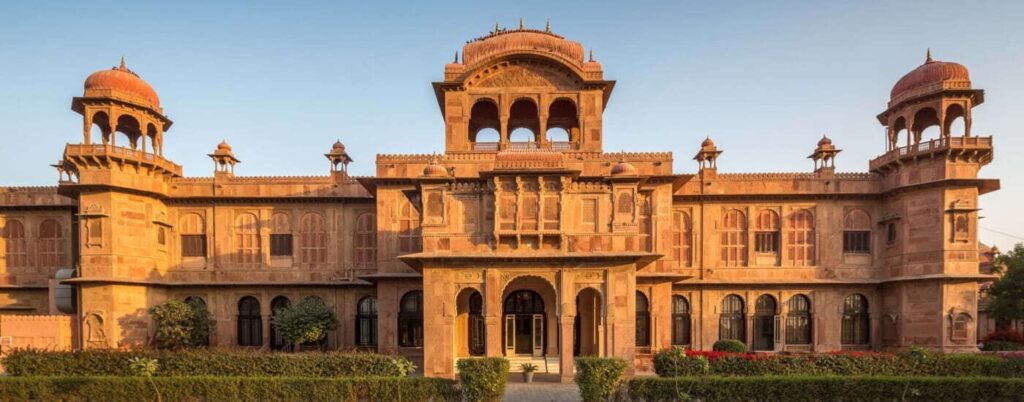
This northwestern state is everything the imagination conjures when it dreams of India — massive desert forts glowing amber at sunset, camel rides across the Thar Desert, vibrant bazaars overflowing with textiles, spices, and silver jewellery, and royal palaces that once housed maharajas and now welcome travelers from around the world.
Top Cities to Visit in Rajasthan
- Jaipur — the Pink City, home to Amber Fort and Hawa Mahal
- Jodhpur — the Blue City, built around the commanding Mehrangarh Fort
- Udaipur — the City of Lakes, arguably the most romantic destination in India
- Jaisalmer — a golden sandstone city rising out of the Thar Desert
Rajasthan is also one of the more affordable states to explore. Budget guesthouses in the old city areas of Jaipur and Jodhpur cost as little as ₹500–₹800 a night, and street food here — kachori, dal baati churma, lassi — is both spectacular and incredibly cheap. It firmly earns its place among the best cheap places to travel in India.
Best time to visit: October to March
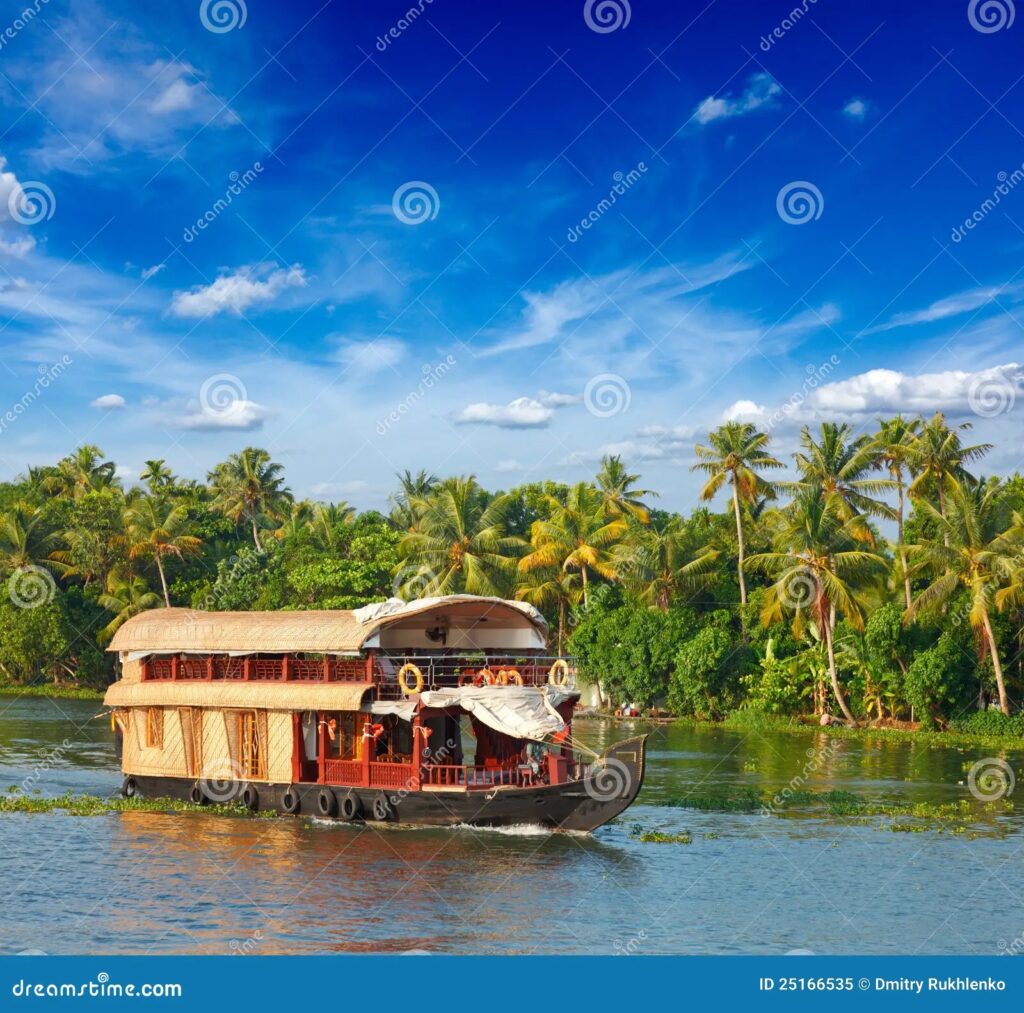
2. Kerala — God’s Own Country
Kerala is the kind of place that makes people cancel their return flights.
Tucked along India’s southwestern coast, this lush green state offers a completely different experience from the rest of the country. Slow houseboat rides through the backwaters of Alleppey, misty tea plantations rolling across the hills of Munnar, pristine beaches at Varkala and Kovalam, and Ayurvedic wellness retreats that draw visitors from across the globe.
The pace of life here is different — gentler, quieter, more reflective. Kerala is perfect for travelers who want to slow down and actually absorb a place rather than rush through it.
Why Kerala Is Special
- The backwater houseboat experience is genuinely unlike anything else in the world
- Munnar’s tea estates are among the most beautiful landscapes in India
- The food — fish curry, appam, puttu, prawn moilee — is extraordinary
- It is one of India’s safest and most traveler-friendly states
A night on a traditional kettuvallam houseboat in Alleppey costs anywhere from ₹3,000 for a budget option to ₹15,000 for a premium experience — remarkable value for a memory that lasts a lifetime.
Best time to visit: September to March
3. Goa — More Than Just Beaches
Yes, Goa has the beaches. But Goa also has a great deal more.
The Portuguese colonial history is visible in every whitewashed church, terracotta-tiled rooftop, and narrow cobblestone lane in Old Goa and Fontainhas. The food is a unique Indo-Portuguese fusion unlike anything else in India. The nightlife is legendary. And the northern and southern parts of the state offer wildly different vibes — North Goa for energy and socialising, South Goa for quiet, uncrowded stretches of sand.
Goa remains one of the most popular destinations when people travel in India, and for good reason. It is easy to get to, easy to move around, and caters effortlessly to every type of traveler.
Goa on a Budget
Goa gets a reputation for being expensive, but that is only true if you stay in resort hotels and eat at tourist-facing restaurants. Rent a scooter for ₹300 a day, eat at local Goan dhabas and beach shacks, stay in a guesthouse in a residential area, and Goa becomes one of the most affordable and enjoyable cheap places to travel in India.
Best time to visit: November to February
4. Varanasi — The Soul of India
No list of places to travel in India is complete without Varanasi.
This ancient city on the banks of the Ganges is one of the oldest continuously inhabited cities in the world — and it feels like it. Walking the narrow ghats at dawn, watching the morning aarti ceremony as smoke and flower petals drift across the river, sitting in a chai stall as the city wakes up around you — Varanasi is one of the most spiritually intense, visually overwhelming, and genuinely unforgettable experiences available anywhere on earth.
It is not for everyone. It is chaotic, loud, and confronting in ways that are difficult to prepare for. But travelers who lean into it consistently describe it as the single most transformative stop of their India journey.
What to Do in Varanasi
- Attend the Ganga Aarti at Dashashwamedh Ghat at sunset — arrive early for a good spot
- Take a dawn boat ride on the Ganges to watch the city wake up
- Walk the full length of the ghats and observe daily life along the river
- Visit the Kashi Vishwanath Temple, one of the holiest Shiva temples in India
- Explore the lanes of the old city and get intentionally lost
Best time to visit: October to March
5. Himachal Pradesh — The Himalayan Escape
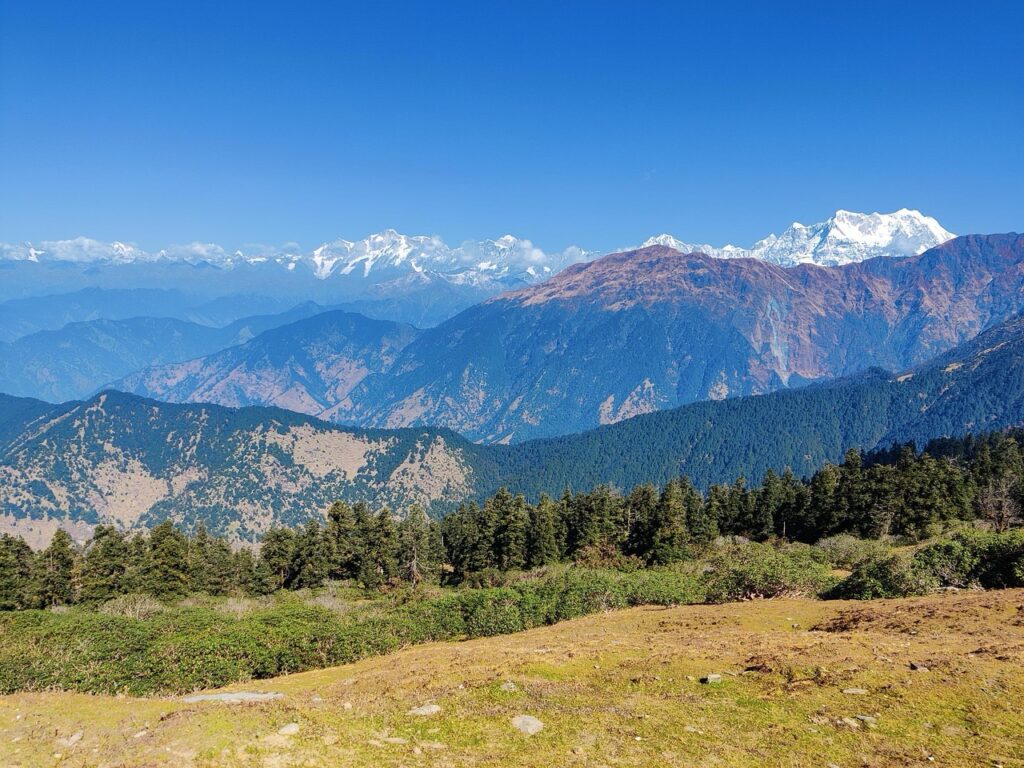
If mountains are your thing, Himachal Pradesh will ruin every other landscape for you.
This northern state is home to some of the most dramatic terrain in the world — snow-dusted peaks, deep river valleys, ancient Buddhist monasteries clinging to cliffsides, and Travel in India Travel in India small hill towns that feel entirely removed from the pace and noise of modern India.
Must-Visit Spots in Himachal Pradesh
- Manali — adventure hub with trekking, skiing, and the famous Rohtang Pass
- Kasol — a tiny village in the Parvati Valley beloved by trekkers and solo travelers
- Dharamshala / McLeod Ganj — home of the Dalai Lama and a thriving Tibetan exile community
- Spiti Valley — one of the most remote, spectacular, and otherworldly landscapes in India
Himachal Pradesh is a fantastic cheap place to travel in India, particularly for backpackers and trekkers. Guesthouses in Kasol and Dharamshala are inexpensive, local dhabas serve filling mountain meals for under ₹150, and many of the best experiences — hiking, monastery visits, river walks — are completely free.
Best time to visit: March to June (summer); December to February for snow
6. Agra — Home of the Taj Mahal
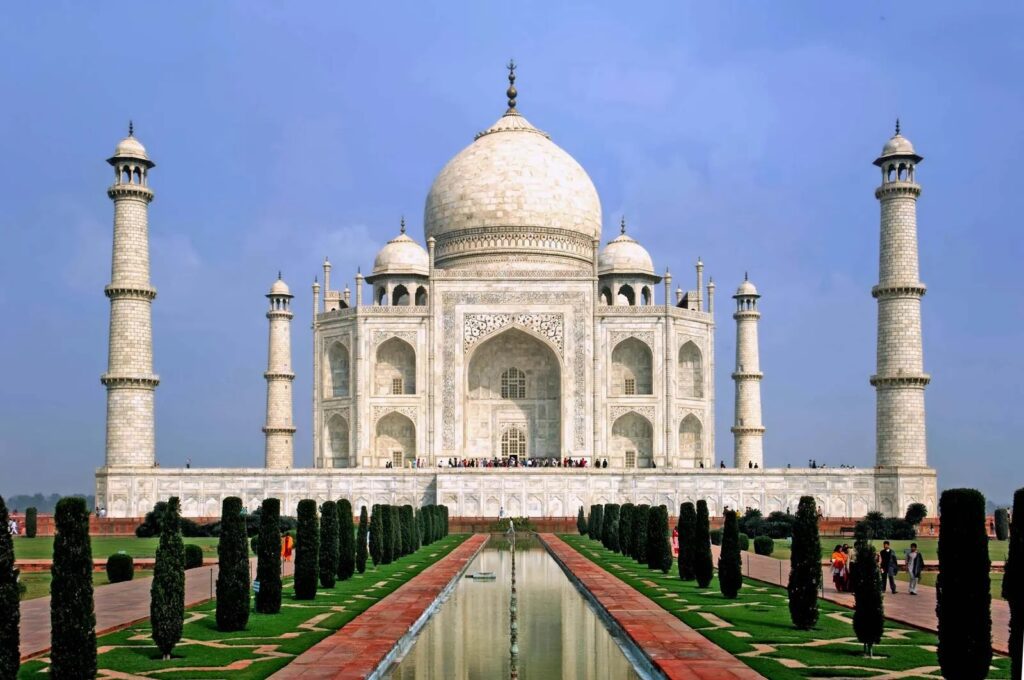
Some places live up to the hype. The Taj Mahal is one of them.
Agra is primarily visited for the world’s most famous monument, and understandably so — the Taj Mahal at sunrise, glowing pale pink against a cloudless sky, is a sight that genuinely stops people mid-thought. But Agra has more to offer than its most famous resident.
Agra Fort is a magnificent Mughal-era fortress often overlooked by tourists rushing to the Taj. Fatehpur Sikri, a perfectly preserved abandoned Mughal city about 40 kilometres away, is one of the most underrated historical sites in the country. And the local street food — Agra petha, bedai with sabzi, Mughlai cuisine — is delicious and cheap.
Practical tip: Book Taj Mahal entry tickets online in advance. The monument gets extremely crowded mid-morning. Arriving at opening time (just after sunrise) gives you the best light, the thinnest crowds, and the most peaceful experience.
Best time to visit: October to March
7. Andaman Islands — India’s Hidden Paradise
Most people do not immediately think of white sand beaches and turquoise coral reefs when they think about where to travel in India — but the Andaman Islands will permanently change that.
Located in the Bay of Bengal, the Andaman archipelago offers some of the finest snorkelling and scuba diving in Asia, beaches that rival anything in Thailand or the Maldives, and a peaceful, unhurried pace that feels worlds away from mainland India.
Havelock Island (officially Swaraj Dweep) and Neil Island are the most popular among travelers — and for good reason. Radhanagar Beach on Havelock has consistently been ranked among the best beaches in Asia. The marine life around the islands is spectacular. And the whole experience remains far less crowded and far more affordable than equivalent destinations in Southeast Asia.
Best time to visit: October to May
8. Rishikesh — The Yoga Capital of the World
Rishikesh sits where the Ganges emerges from the Himalayas into the plains — and the setting alone justifies the journey.
This small town in Uttarakhand is the global centre of yoga and spiritual practice, attracting seekers, practitioners, and travelers from every corner of the world. Ashrams line the riverbanks. Morning yoga sessions happen on open terraces with Himalayan views. The famous Laxman Jhula suspension bridge connects the two main parts of town across the rushing green river.
But Rishikesh is also an adventure hub. White-water rafting on the Ganges, bungee jumping, camping on river beaches, and the starting point for some of the most iconic Himalayan treks — the Valley of Flowers, Kedarnath, Badrinath — are all accessible from here.
It is genuinely one of the most affordable destinations in the country. A yoga ashram offering meals and accommodation can cost as little as ₹500–₹1,000 per day, making it one of the best cheap places to travel in India for travelers who want a meaningful, immersive experience on a tight budget.
Best time to visit: February to May, September to November
9. Mumbai — The City That Never Sleeps
No journey through India is quite complete without spending time in Mumbai.
India’s financial capital and its most cosmopolitan city is a place of extraordinary contrasts — gleaming skyscrapers next to crumbling colonial architecture, Michelin-starred restaurants minutes from street food stalls selling the world’s best vada pav, Bollywood glamour coexisting with deeply rooted local traditions.
What to Experience in Mumbai
- The Gateway of India and a boat ride to Elephanta Caves
- Dharavi — one of Asia’s largest urban communities, best experienced through a responsible guided tour
- Bandra-Kurla and Colaba for architecture, cafes, and the city’s creative energy
- Marine Drive at sunset — a 3.6-kilometre promenade along the Arabian Sea
- The incredible local food scene — from Juhu Beach bhel puri to Irani cafes to Crawford Market
Mumbai can be expensive by Indian standards, particularly for accommodation in central areas. But the city’s extraordinary street food scene means you can eat extraordinarily well for almost nothing, and many of its best experiences — walking the colonial quarter, watching the dabbawalas work, exploring the city’s diverse neighbourhoods — are entirely free.
Best time to visit: November to February
10. Coorg — India’s Coffee Country
Coorg — officially known as Kodagu — is one of India’s best-kept secrets, and travelers who discover it tend to wonder why it took them so long.
Nestled in the Western Ghats of Karnataka, Coorg is a lush highland district covered in coffee and spice plantations, wrapped in mist most mornings, and home to a unique indigenous culture — the Kodava people — with its own language, cuisine, and traditions.
This is the kind of destination that rewards slow travel. Staying in a plantation homestay, walking through rows of coffee plants in the early morning, eating home-cooked Kodava pork curry, hiking to Abbey Falls or trekking up Tadiandamol peak — Coorg offers an experience that is both quietly beautiful and genuinely off the standard tourist circuit.
Accommodation in plantation homestays ranges from ₹1,500 to ₹4,000 per night including meals — exceptional value for the quality of experience. Coorg is one of those rare destinations that qualifies as both a cheap place to travel in India and a genuinely luxurious one, depending entirely on how you choose to spend your time.
Best time to visit: October to March
Practical Tips for Traveling in India
Before you pack your bags, a few things worth knowing:
- Get your vaccinations — typhoid, hepatitis A, and tetanus are commonly recommended before travel in India
- Download offline maps on Google Maps or Maps.me before arriving anywhere new — connectivity can be patchy
- Carry cash — India is still heavily cash-based outside major metropolitan areas. ATMs are widely available but occasionally run out.
- Book trains in advance — Indian Railways is one of the great travel experiences of the world, but popular routes sell out weeks ahead. Use the IRCTC app or website.
- Bargain respectfully — in markets and with auto-rickshaws in many cities, negotiating price is normal and expected. Do it with a smile.
- Dress modestly at religious sites — carry a light scarf or shawl to cover your shoulders and knees when visiting temples, mosques, and gurudwaras
- Stay hydrated — drink bottled or filtered water, and carry a water bottle with a filter such as a Lifestraw bottle for more sustainable travel
FAQ: Travel in India
Q1. What is the best time to travel in India overall?
October to March is generally considered the best time to travel in India. The weather across most of the country — from Rajasthan to Kerala to the Ganges plains — is pleasant, dry, and manageable during these months. The extreme heat of summer (April to June) and the monsoon season (July to September) make travel harder in many regions, though some destinations like Himachal Pradesh and Kerala are actually beautiful during the rains.
Q2. What are the cheapest places to travel in India?
Some of the best cheap places to travel in India include Rishikesh, Kasol, Varanasi, Hampi, Pushkar, and Coorg. These destinations offer exceptional experiences — cultural, natural, and spiritual — at a fraction of what comparable experiences cost in other countries. A comfortable, fulfilling day of food, accommodation, and activities in these places can cost as little as ₹1,000–₹1,500.
Q3. Is India safe for solo travelers?
India is a popular destination for solo travelers from around the world, including solo women travelers. Like anywhere, awareness and basic precautions go a long way. Stick to reputable accommodation, share your itinerary with someone at home, use registered taxis or app-based cabs, and trust your instincts. Many solo travelers describe India as one of the most rewarding and friendly countries they have visited.
Q4. How much does it cost to travel in India for a month?
A budget traveler in India can comfortably get by on ₹1,500–₹2,500 per day, covering accommodation, food, local transport, and activities. A mid-range traveler spending on comfortable hotels and occasional activities might spend ₹4,000–₹8,000 per day. Luxury travel in India — five-star palace hotels and private tours — can go as high as you like, but remains significantly cheaper than equivalent luxury in Europe or North America.
Q5. Do I need a visa to travel in India?
Most international travelers need a visa to enter India. The e-Tourist Visa (eTV) is available to citizens of most countries and can be applied for online through the official Indian government portal before travel. Processing typically takes two to four business days. Check the current eligibility and requirements for your specific country before booking flights.
Q6. What are the must-eat foods when you travel in India?
India’s regional food diversity is staggering, but some dishes worth seeking out everywhere include: butter chicken and naan in Delhi, masala dosa in South India, rogan josh in Kashmir, dhokla in Gujarat, fish curry and appam in Kerala, litti chokha in Bihar, and street snacks like pani puri, vada pav, and chaat almost everywhere. Eating street food from busy, high-turnover stalls is generally considered safe and is consistently some of the best food in the country.
Conclusion
India is not a destination you visit once and tick off a list. It is a place you return to, again and again, each time finding something entirely new — a city you missed, a cuisine you had not tried, a landscape that redefines everything you thought you knew about beauty.
From the royal forts of Rajasthan and the backwaters of Kerala to the Himalayan valleys of Himachal Pradesh and the coral-fringed beaches of the Andamans, travel in India offers more variety, more depth, and more genuine wonder per square kilometre than almost anywhere else on earth. And thanks to the remarkable range of cheap places to travel in India, this adventure is accessible on almost any budget.
So — where will you go first?
If this guide helped you start planning, share it with a fellow traveler, drop your questions in the comments, or bookmark it for when the wanderlust hits. India is waiting.