
Table of Contents
A trip planner is the single most powerful tool you can use to turn a stressful travel experience into a smooth, enjoyable adventure. Whether you’re heading out for a weekend getaway or planning a month-long international journey, having a solid plan makes all the difference. Most travelers underestimate how much time and effort go into organizing a trip — and that’s exactly where a good trip planner saves the day.
In this guide, you’ll discover 10 smart, actionable tips to help you build the perfect travel plan. From choosing the right travel itinerary planner to managing your budget, we’ve got everything covered. Let’s dive in!
Why You Need a Trip Planner Before You Travel
Travel Plan Imagine landing in a new city with no hotel booked, no idea which neighborhoods are safe, and no clue how to get from the airport to your destination. Sounds like a nightmare, right?
A well-thought-out trip planner eliminates that chaos. It helps you:
- Save time by organizing everything in one place
- Avoid overspending by setting a clear travel budget
- Make the most of your time at each destination
- Reduce travel anxiety and last-minute panic
- Enjoy your vacation rather than managing logistics
Whether you’re a solo traveler, a couple, or a family, a trip planner gives you the freedom to travel confidently.
Tip 1: Start Your Trip Planner Early
The earlier you Travel Plan start planning, the better your options. Flights, hotels, and popular attractions fill up fast — especially during peak season.
Ideally, begin your trip planner at least 6–8 weeks before departureTravel Plan for domestic trips and 3–6 months ahead for international ones. Early planning means:
- Better flight deals and seat availability
- More hotel choices at lower rates
- Advance tickets to sold-out attractions
- Time to apply for visas if needed
Real-life example: A family planning a trip to Paris during summer found that booking flights three months early saved them over ₹30,000 compared to last-minute bookings.
Tip 2: Choose the Right Travel Itinerary Planner Tool
Not all trip planner tools are created equal. Choosing the right travel itinerary planner can make your entire planning process faster and more organized.
Best Trip Planner Tools to Try
Here are some popular options:
- Google Maps – Great for saving places, building routes, and getting directions offline
- TripIt – Automatically organizes your confirmation emails into a clean travel itinerary planner
- Wanderlog – Ideal for collaborative trip planning with friends or family
- Roadtrippers – Perfect for road trips across cities or countries
- Notion or Google Sheets – For those who prefer a flexible, DIY trip planner
Pick one that fits your travel style. If you’re traveling with a group, use a Travel Planshared travel itinerary planner so everyone stays on the same page.
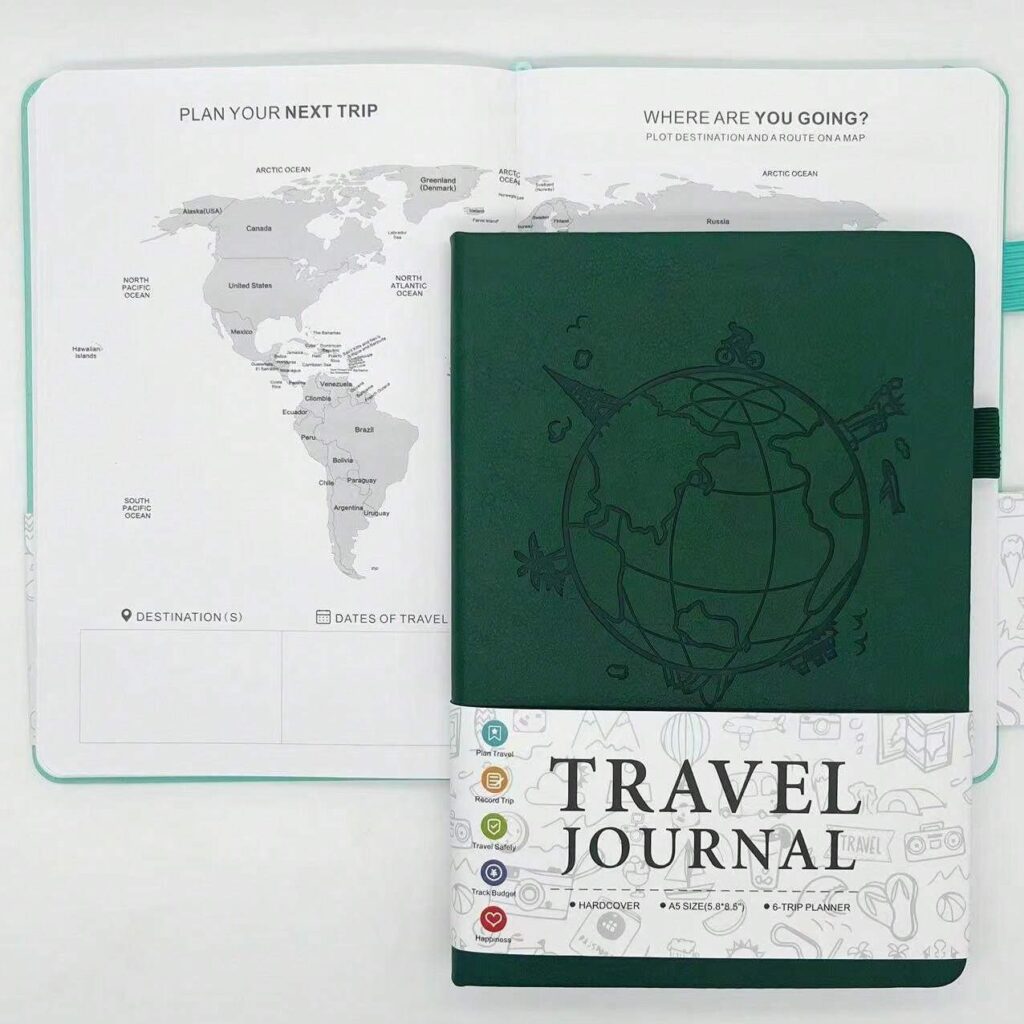
Tip 3: Define Your Travel Goals First
Before adding anything to your trip planner, ask yourself: What do I actually want from this trip?
Your answer will shape everything — from your destination to your daily schedule. Here are some common travel goals:
- Adventure – Hiking, scuba diving, skydiving
- Relaxation – Beach stays, spa resorts, slow travel
- Culture – Museums, local food, historical landmarks
- Family fun – Theme parks, kid-friendly hotels, short travel durations
- Romance – Scenic getaways, candlelit dinners, private tours
Once you define your goal, your trip planner becomes much more focused and effective. There’s no point cramming 15 activities into a single day if your goal is relaxation.
Tip 4: Set a Realistic Travel Budget
One of the most critical parts of any trip planner is the budget. Overspending on a trip can lead to financial stress both during and after your vacation.
How to Budget With Your Trip Planner
Break your budget into these key categories:
- Flights and transportation – Usually 30–40% of your total budget
- Accommodation – Aim for 25–30%
- Food and dining – Keep 15–20% aside
- Activities and entrance fees – Budget 10–15%
- Shopping and souvenirs – Keep a small buffer of 5–10%
- Emergency fund – Always reserve 10% for unexpected costs
Use your trip planner to track each expense category. Apps like Trail Wallet or TravelSpend can help you monitor spending in real time while you’re on the road.
Pro tip: Always convert and compare prices in your home currency before booking anything abroad.
Tip 5: Research Your Destination Thoroughly
A smart trip planner always does deep research before making any bookings. Don’t just rely on Instagram photos — dig deeper.

What to Research Before You Travel
- Weather and best time to visit – Is it monsoon season? Scorching hot? Freezing cold?
- Local customs and dress codes – Especially important for religious or conservative destinations
- Visa requirements – Some countries require visas months in advance
- Health and safety – Required vaccinations, travel advisories, safe neighborhoods
- Currency and payment methods – Is the destination cash-heavy or card-friendly?
Adding these details to your trip planner ensures you’re never caught off guard. A little research now saves a lot of headaches later.
Tip 6: Build a Day-by-Day Travel Itinerary
This is the heart of any trip planner — the day-by-day travel itinerary. This is where your entire trip comes to life on paper (or screen).
How to Structure Your Daily Itinerary
- Group activities by location to minimize travel time within a city
- Schedule high-energy activities in the morning when you’re fresh
- Leave afternoons for spontaneous exploration or rest
- Always check attraction opening hours and closed days in advance
- Build buffer time between activities — things rarely run perfectly on schedule
Example day from a travel itinerary planner for Rome:
- 9:00 AM – Visit the Colosseum (pre-book tickets!)
- 11:30 AM – Explore the Roman Forum nearby
- 1:00 PM – Lunch at a local trattoria
- 3:00 PM – Visit Palatine Hill
- 5:00 PM – Stroll through Piazza Navona
- 7:30 PM – Dinner and gelato near the Pantheon
That’s a full, well-paced day that feels fulfilling without being exhausting.
Tip 7: Book Accommodations Strategically
Your trip planner should include accommodation choices that match both your budget and your itinerary location.
Tips for Smart Accommodation Booking
- Stay close to your main attractions – This saves transportation time and money
- Read recent reviews – Look for reviews from the past 3–6 months for accuracy
- Compare multiple platforms – Check Booking.com, Airbnb, Agoda, and hotel websites directly
- Understand cancellation policies – Flexible policies are gold if your plans change
- Consider alternative stays – Hostels, guesthouses, and homestays offer unique local experiences
For a multi-city trip, use your trip planner to map which areas of each city you’ll spend the most time in, then book accommodation accordingly.

Tip 8: Plan Your Transportation Wisely
Getting around is a huge part of any trip, and a smart trip planner accounts for every leg of the journey — not just the flight.
Transportation Options to Include in Your Trip Planner
- Flights – Compare airlines, baggage fees, and layover durations
- Airport transfers – Pre-book cabs or research train and metro connections
- Intercity trains or buses – Often cheaper and more scenic than short flights
- Local public transport – Metro, buses, and trams for city exploration
- Car rentals – Great for road trips or rural destinations
- Ride-hailing apps – Uber, Ola, Grab — depending on your destination
Add all transportation bookings, confirmation numbers, and timings to your trip planner so you can access them offline too.
Tip 9: Pack Smart Using a Trip Planner Checklist
Packing is where many travelers go wrong — either overpacking and lugging heavy bags everywhere, or underpacking and spending money on forgotten essentials.
Essential Trip Planner Packing Categories
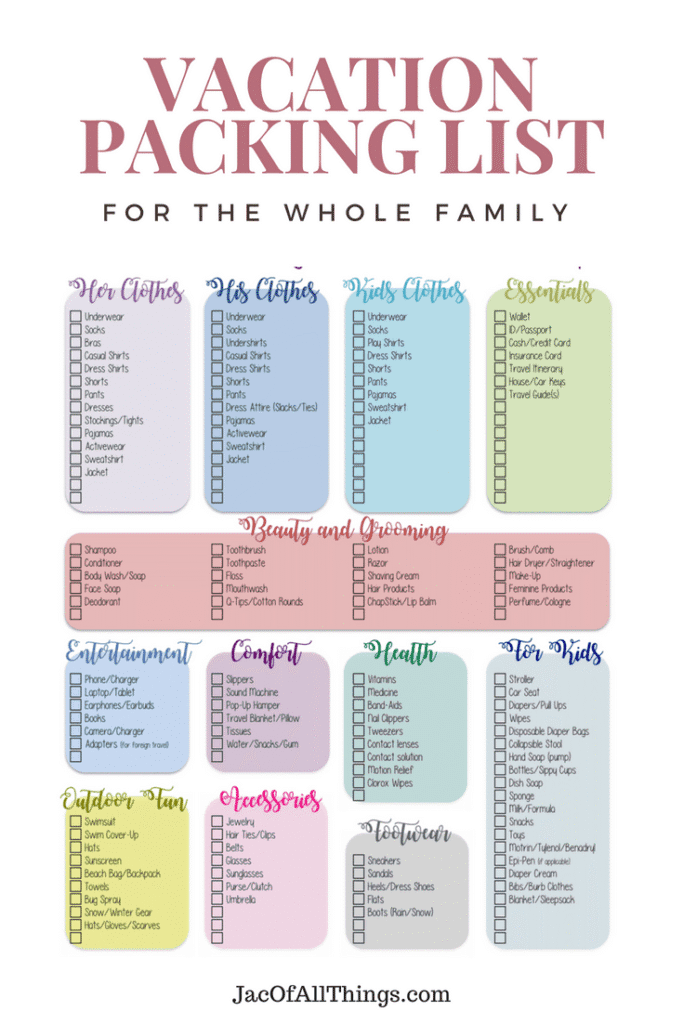
Use your trip planner to build a packing Travel Plan checklist tailored to your specific destination and activities:
- Documents – Passport, visa, travel insurance, hotel confirmations, ID copies
- Electronics – Phone, charger, power bank, universal adapter, earphones
- Clothing – Season-appropriate outfits, comfortable walking shoes, a light jacket
- Health and hygiene – Medications, sunscreen, Travel Plan ,hand sanitizer, basic first aid kit
- Money – Mix of local cash and travel-friendly cards; notify your bank before departure
A destination-specific trip planner checklist ensures nothing important is left behind. Heading to a beach? Add reef-safe sunscreen and a snorkel kit. Going to the mountains? Add thermals and a first aid kit.
Tip 10: Stay Flexible and Leave Room for Surprises
The best trip planner isn’t the most rigid one — it’s the one that balances structure with flexibility.
Over-planning can actually ruin a trip. When every single hour is scheduled, there’s no room for the unexpected — and travel is full of wonderful surprises.
How to Build Flexibility Into Your Trip Planner
- Don’t over-schedule – Aim for 2–3 main activities per day, not 6–7
- Have a backup list – Keep a note of nearby cafes, parks, or sights in case something is closed
- Embrace spontaneity – Some of the best travel memories happen when you say yes to something unplanned
- Include rest days – Especially on long trips, a rest day prevents burnout
- Be okay with changes – Weather delays, missed buses, and sold-out venues happen. Roll with it!
Real-life example: A solo traveler in Thailand had planned to visit a famous waterfall, but heavy rain made it unsafe. She stumbled upon a local street food market Real-life example: A solo traveler in Thailand had planned to visit a famous waterfall, but heavy rain made it unsafe. She stumbled upon a local street food market instead and called it the best meal of her entire trip. No trip planner could have predicted that — and that’s the beauty of travel.
instead and called it the best meal of her entire trip. No trip planner could have predicted that — and that’s the beauty of travel.
How a Trip Planner Saves You Money
Many people think using a trip planner is only about staying organized. But it’s also a surprisingly Real-life example: A solo traveler in Thailand had planned to visit a famous waterfall, but heavy rain made it unsafe. She stumbled upon a local street food market instead and called it the best meal of her entire trip. No trip planner could have predicted that — and that’s the beauty of travel.
powerful money-saving strategy.
Ways a Trip Planner Reduces Your Travel Costs
- Early booking discounts – Flights and hotels are almost always cheaper when booked weeks or months ahead
- Avoiding tourist traps – Research through your trip planner helps you find authentic local restaurants instead of overpriced tourist-facing spots
- Bundled deals – Many travel sites offer package deals for flights and hotels that cost less together than separately
- Transport passes – City cards and unlimited transit passes are Travel Plan often cheaper than paying per ride
- Free attractions – A thorough trip planner uncovers free museums, markets, parks, and events you’d otherwise miss
When used correctly, a trip planner doesn’t just keep you organized — it actively puts money back in your pocket.
Common Trip Planning Mistakes to Avoid
Even experienced travelers make these errors. Your trip planner should help you sidestep all of them:
- Not checking visa requirements – Some visas take weeks to process; don’t leave it last minute
- Ignoring travel insurance – One medical emergency abroad can cost a fortune
- Booking everything non-refundable – Life happens; always keep some flexibility
- Underestimating jet lag – Don’t schedule intense activities on your very first day in a new time zone
- Skipping offline maps – Download Google Maps offline before you depart
- Forgetting to inform your bank – Cards get blocked for “suspicious” foreign transactions without prior notice
- Relying on a single review source – Read critically across multiple platforms before booking
Keep this list inside your trip planner as a pre-departure checklist every time you travel.
Trip Planner Tips for Different Travel Styles
Every kind of trip has unique planning needs. Here’s how to customize your trip planner for different travel styles:
Solo Trip Planner
- Share your itinerary with a trusted person back home for safety
- Choose accommodation in social neighborhoods or Travel Plan hostels to meet fellow travelers
Family Trip Planner
- Plan kid-friendly activities with shorter durations and built-in snack breaks
- Book adjacent or connecting hotel rooms in advance
- Always carry entertainment, Travel Plan snacks, and extra clothing for little ones
Honeymoon Trip Planner
- Pre-book romantic restaurants and surprise experiences
- Opt for privacy — private villas or boutique resorts are worth the splurge
- Keep part of the itinerary a secret for your partner — surprises make memories
Budget Trip Planner
- Use a travel itinerary planner to track every single expense
- Opt for hostels, overnight trains, and free walking tours
- Cook occasional meals instead of dining out every time
FAQ Section
Q1. What is a trip planner and why do I need one?
A trip planner is a system — digital or physical — that helps you organize all aspects of travel, from flights and accommodation to daily activities and budgeting. You Travel Plan need one to save time, reduce travel stress, and make the most of every day on the road. Without a trip planner, you’re likely to overspend, Travel Plan miss key attractions, or face easily avoidable problems.
Q2. What is the best free trip planner available online?
Some of the best free trip planner options include Google Maps for route planning, Wanderlog for building a visual travel itinerary planner, Travel Plan and TripIt for organizing booking confirmation emails automatically. Wanderlog is especially popular because it works as a collaborative trip planner for groups and couples.
Q3. How far in advance should I start using a trip planner?
For domestic trips, start your trip planner at least 4–6 weeks before your travel date. Travel Plan For international destinations, begin 3–6 months early. The sooner you open your trip planner, the more choices you’ll have for flights, accommodation, and experiences — and the more money you’ll save.
Q4. Can a trip planner actually help me save money on travel?
Absolutely. A good trip planner helps you compare prices across platforms, book early for the best deals, avoid tourist-trap restaurants through research, and stick to a daily budget. A well-structured travel itinerary planner also makes over-spending much harder because your costs are visible from day one.
Q5. How do I create a day-by-day trip planner itinerary?
Start by listing all the places and experiences you want to include. Group them by geographic proximity to reduce internal travel time. Assign rough time slots, Travel Plan build buffer periods between activities, and always verify opening hours in advance. Travel Plan Use a travel itinerary planner like Wanderlog or a simple Google Sheet to map it all out clearly.
Q6. Is a trip planner useful even for short weekend getaways?
Yes! Even for a 2–3 day trip, a trip planner ensures you use your limited time wisely. With just a few days, every hour matters. A quick travel itinerary planner helps you choose the best dining spots, activities, and routes Travel Plan without wasting precious vacation hours figuring things out on the spot.
Conclusion
Travel is one of life’s greatest joys — and a well-prepared trip planner makes sure every adventure is memorable for all the right reasons. From defining your goals and setting a budget to building your day-by-day travel itinerary and packing smart, every tip in this guide is designed to make you a more confident, prepared traveler.
Remember: a great trip planner isn’t about removing spontaneity from your trip. It’s about creating a strong foundation so that when unexpected things happen — and they always do — you’re ready to embrace them with a smile rather than a stress headache.
Whether you use a dedicated travel itinerary planner app or build your own system in a spreadsheet, the secret is the same — start early, stay flexible, and leave room for the magic that only travel can bring.
Ready to plan your next adventure? Open up your trip planner today, pick a destination that excites you, and start mapping out the journey of your dreams. Your perfect trip is just one great plan away!