
Table of Contents
There’s something freeing about traveling without depending on wall sockets.
No searching for charging points at crowded airports.
No fighting for plug space at campsites.
No panic when your phone battery drops to 3% in the middle of nowhere.
Whether you’re camping under the stars, backpacking across countries, going on a road trip, or simply preparing for power cuts, one gadget has become a must-have in 2026 — a reliable solar charger.
We live in a world where our phone is our map, camera, ticket wallet, emergency contact, and sometimes even our flashlight. Losing battery while traveling isn’t just inconvenient — it can be stressful.
That’s where a portable solar charger changes everything.
It allows you to generate power anywhere the sun shines. No electricity. No fuel. Just sunlight.
In this complete buying guide, you’ll discover the 9 best portable solar charger options for travel and camping in 2026, along with expert tips to help you choose the right one for your needs.
Let’s power up your next adventure — sustainably.
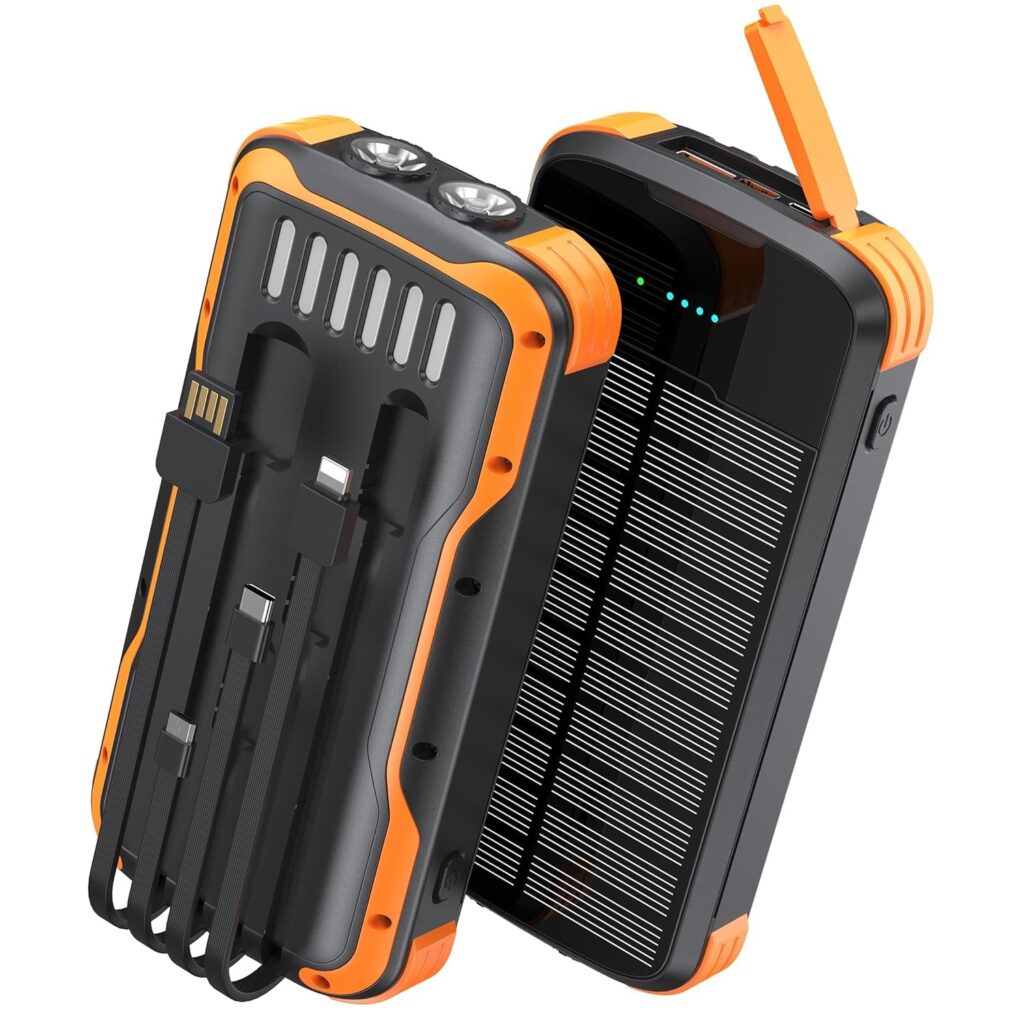
Why a Solar Charger Is a Smart Investment in 2026
Travel is becoming more remote and experience-driven. People are choosing camping over hotels, road trips over flights, and digital detox escapes over crowded tourist spots.
But even when disconnecting from the world, you still need power for essentials:
- GPS navigation
- Emergency calls
- Photography
- Drones
- Power banks
- Smartwatches
- Portable speakers
A solar charger gives you energy independence.
Unlike traditional power banks that eventually run out, a solar charger can recharge itself using sunlight. That means as long as there is daylight, you have access to power.
In 2026, portable solar chargers are:
- More efficient
- Faster charging
- Lightweight
- Waterproof
- Foldable
- Compatible with multiple devices
And most importantly — eco-friendly.
You’re not just saving your battery. You’re reducing your environmental footprint.
9 Best Portable Solar Charger for Travel & Camping in 2026
1️⃣ BigBlue 28W Portable Solar Charger (Best Overall Performance)
This is one of the most reliable solar options for travelers who want efficiency and durability.
It features high solar conversion efficiency and can charge multiple devices simultaneously.
Why it stands out:
- 28W high power output
- Foldable design
- Lightweight and travel-friendly
- Smart IC technology for safe charging
Perfect for:
- Backpackers
- Campers
- Road trippers
- International travelers
2️⃣ Anker 21W Solar Charger (Best for Brand Reliability)
Anker is known globally for quality charging accessories.
This portable solar charger offers:
- High efficiency panels
- Dual USB output
- Rugged and durable design
It’s ideal for travelers who want trusted performance and long-lasting build quality.
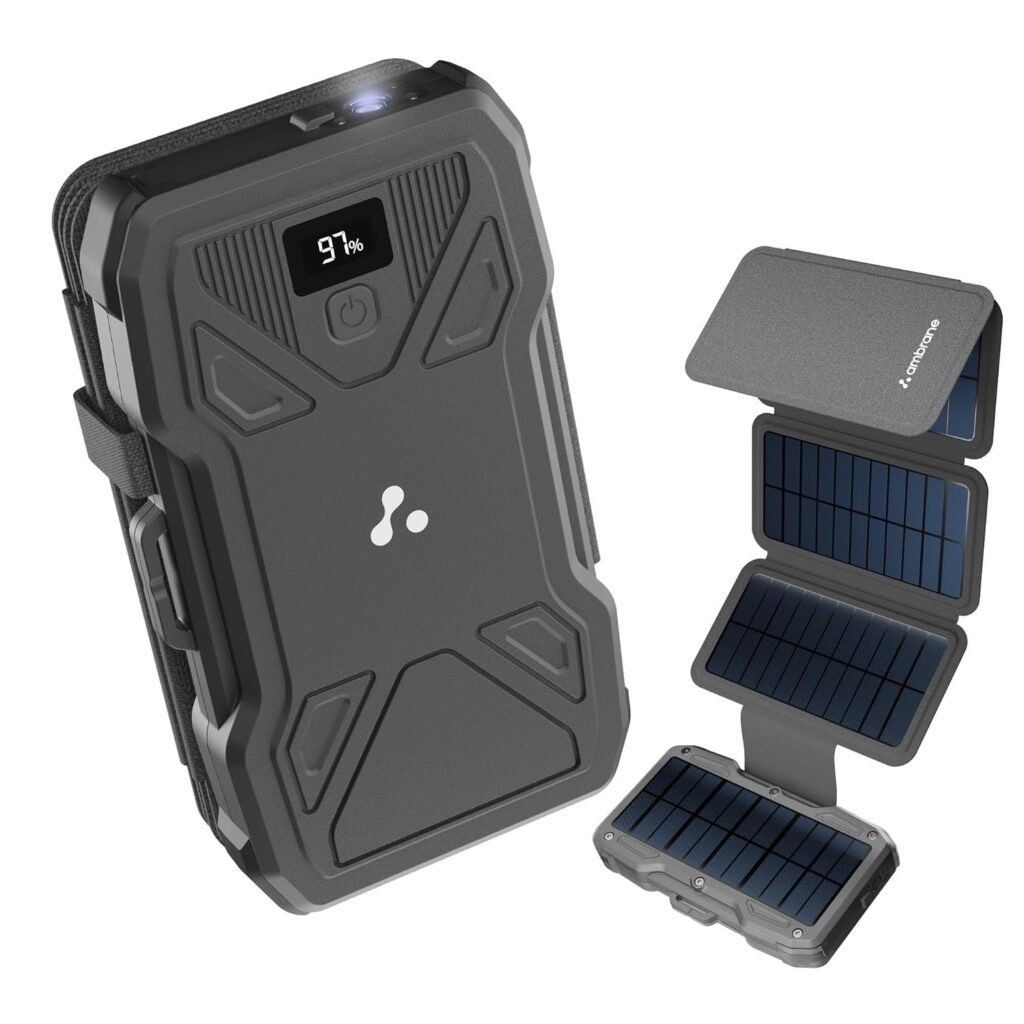
3️⃣ Goal Zero Nomad 20 (Best for Outdoor Enthusiasts)
Designed specifically for outdoor conditions, this solar is durable and weather-resistant.
Great for:
- Long camping trips
- Adventure travelers
- Outdoor photography
It may be slightly premium priced, but the durability makes it worth it.
4️⃣ Hiluckey Solar Power Bank (Best Solar Charger with Built-In Battery)
This combines:
- Solar panel
- High-capacity power bank
It stores energy during the day and lets you charge devices at night.
Best for:
- Budget travelers
- Emergency backup
- Power cuts
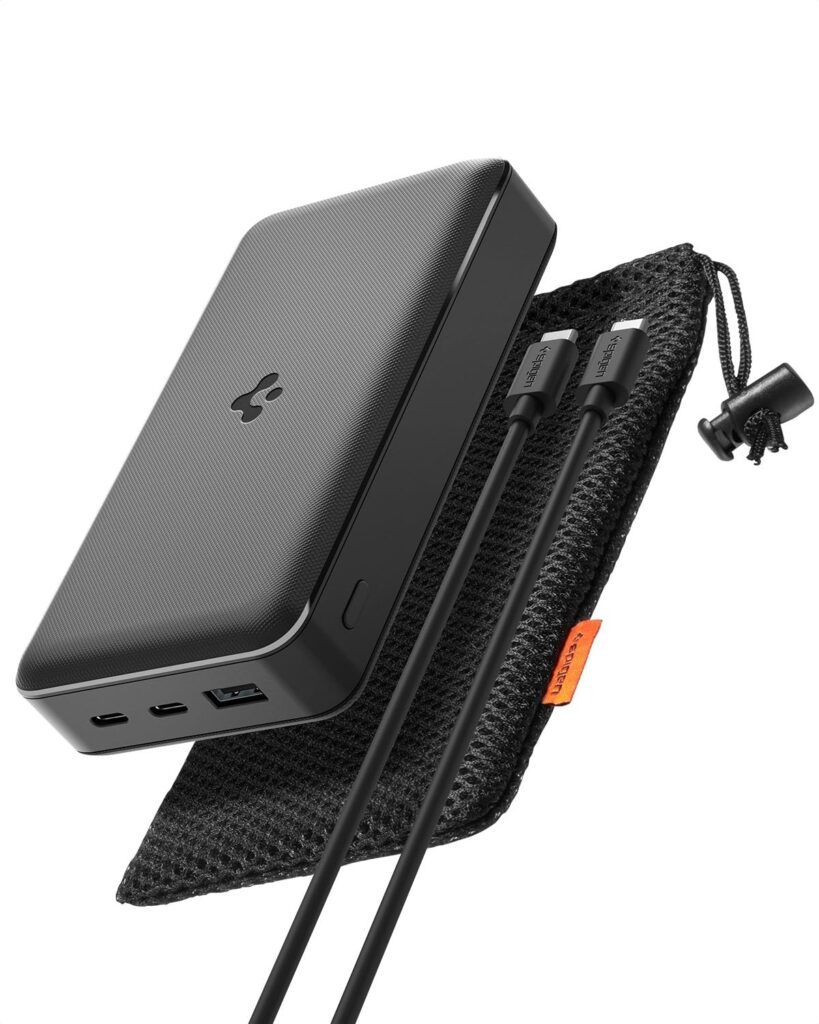
5️⃣ RAVPower 24W Solar Charger (Best Mid-Range Option)
A balanced option offering:
- Good charging speed
- Foldable panels
- Affordable price
Ideal for:
- Students
- Weekend campers
- First-time solar buyers
6️⃣ BLAVOR Solar Power Bank (Best Waterproof Option)
If you’re camping near water or traveling during monsoon season, waterproofing matters.
This model offers:
- IPX waterproof rating
- Shock resistance
- Compact design
Great for unpredictable weather conditions.
7️⃣ Jackery SolarSaga 60W (Best for Charging Laptops)
If you’re a digital nomad or remote worker, you may need more than just phone charging.
This higher-watt solar can:
- Charge laptops
- Power portable stations
- Handle larger devices
It’s bigger, but extremely powerful.
8️⃣ Nekteck 21W Solar Charger (Best Lightweight Travel Option)
For minimalist travelers, this solar offers:
- Slim design
- Easy folding
- Good charging efficiency
It fits easily into a backpack without adding bulk.
9️⃣ ADDTOP Solar Charger 25W (Best Budget-Friendly All-Rounder)
Affordable yet reliable, this solar is suitable for:
- Casual camping
- Travel emergencies
- Backup power
It offers good value without overspending.
How to Choose the Best Solar Charger for Travel
Not all solar are the same. Before buying, consider these important factors:
1. Wattage Output
Higher wattage = faster charging.
- 15W–25W → Good for phones & small gadgets
- 40W+ → Better for tablets & laptops
2. Portability
If you’re backpacking, weight matters.
Look for:
- Foldable panels
- Lightweight build
- Easy attachment to backpacks
3. Battery Storage
Some solar chargers include built-in batteries. Others don’t.
With battery → Store energy for night use
Without battery → Direct charging only
Choose based on your travel style.
4. Durability
Outdoor travel means dust, rain, and rough handling.
Look for:
- Waterproof material
- Shock resistance
- Strong stitching
5. Device Compatibility
Make sure it supports:
- USB-A
- USB-C
- Fast charging
- Multiple outputs
Common Mistakes to Avoid When Buying a Solar Charger
❌ Buying the cheapest option without checking efficiency
❌ Expecting it to charge like wall electricity
❌ Not checking wattage
❌ Ignoring weather resistance
❌ Overlooking weight
Solar chargers depend on sunlight intensity. Cloudy days reduce output. Always set realistic expectations.
Are Solar Chargers Really Worth It?
Yes — if you travel often, camp regularly, or want emergency backup power.
A solar is not just a gadget.
It’s:
- Energy freedom
- Travel safety
- Sustainable power
- Peace of mind
Imagine being on a remote beach, mountain campsite, or highway stop — and knowing your phone will not die.
That’s confidence.
Final Thoughts: Power Your Journey Naturally
Travel is unpredictable.
Weather changes.
Plans shift.
Routes get longer.
Batteries drain faster than expected.
But the sun? It rises every day.
A reliable solar ensures you’re never completely disconnected from power, no matter where you go.
In 2026, smart travelers don’t just pack clothes and cameras.
They pack independence.
If you travel, camp, or love outdoor adventures, investing in the right solar could be one of the smartest decisions you make this year.
Charge smarter.
Travel lighter.
Stay powered — anywhere.
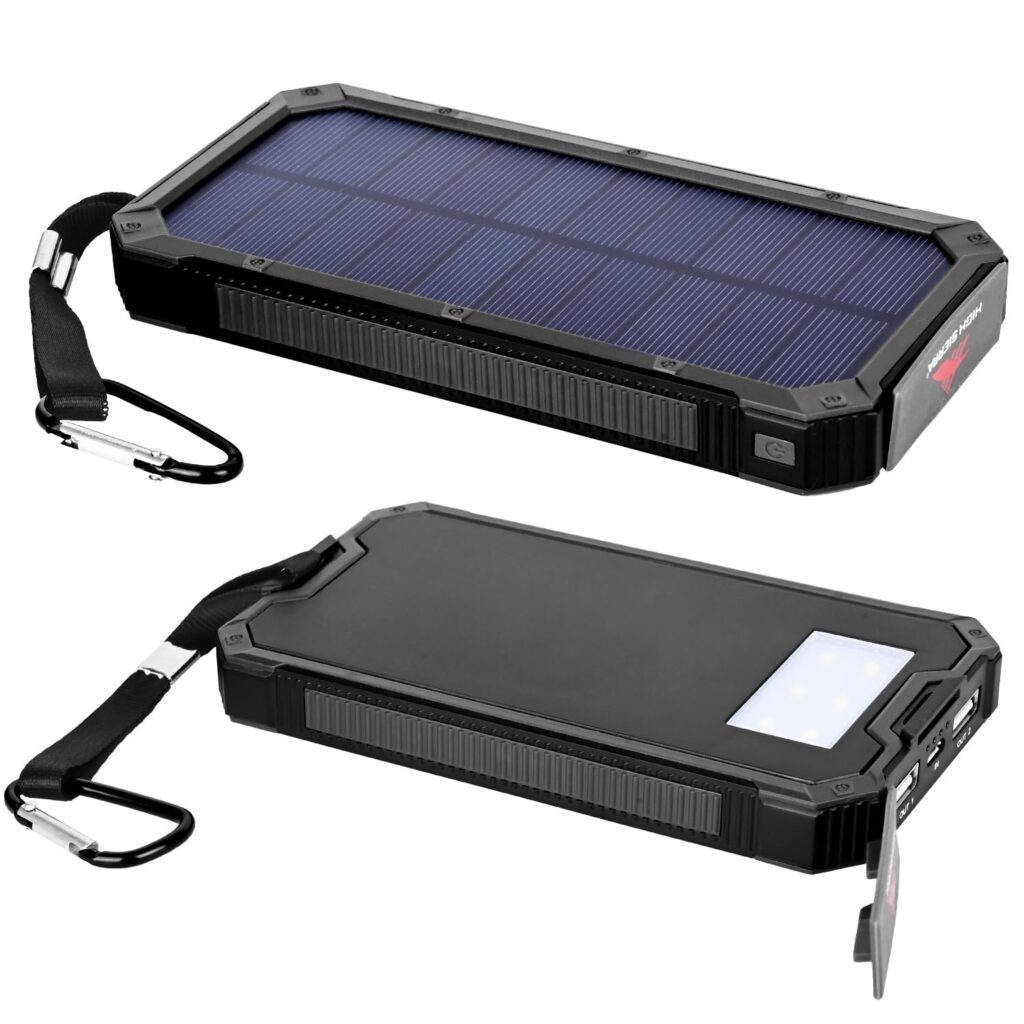
❓ Frequently Asked Questions About Solar Charger
1. How does a charger work?
A solar charger works by converting sunlight into electricity using photovoltaic (PV) panels. When sunlight hits the solar cells, it generates electrical energy that can be used to charge devices directly or store energy in a built-in battery.
In simple terms:
Sunlight → Solar panel → Electricity → Your device
The stronger the sunlight, the faster the charging speed. On cloudy days, charging may slow down.
2. Is a charger worth buying for travel?
Yes, especially if you travel frequently or visit places where electricity access is limited.
A solar charger is useful for:
- Camping trips
- Road trips
- Beach vacations
- Trekking
- International travel
- Emergency backup during power cuts
It gives you energy independence and peace of mind when outlets aren’t available.
3. Can a charger charge a phone fully?
Yes, most portable solar chargers can fully charge a smartphone, depending on:
- Sunlight intensity
- Wattage of the charger
- Battery capacity of your phone
A 20W–25W solar charger can typically charge a standard smartphone within a few hours of direct sunlight.
However, it may not be as fast as wall charging.
4. Can a charger charge a laptop?
Some high-wattage solar chargers (40W and above) can charge laptops, especially when paired with a power station or battery pack.
For direct laptop charging, look for:
- 60W+ output
- USB-C Power Delivery (PD) support
- Compatible voltage range
Lower wattage solar chargers are better suited for phones, cameras, and smaller gadgets.
5. Do s chargers work on cloudy days?
Yes, but with reduced efficiency.
Solar panels still generate power in cloudy weather, but output can drop significantly. On heavily overcast days, charging speed may be slow.
For best results:
- Place panels in direct sunlight
- Adjust angle toward the sun
- Avoid shaded areas
6. How long does it take to charge a device using a charger?
Charging time depends on:
- Panel wattage
- Device battery size
- Sunlight strength
Approximate example:
- 20W solar charger + strong sunlight → 2–4 hours for a smartphone
- Lower sunlight → 4–6+ hours
Always treat solar charging as gradual, not instant.
7. What wattage charger is best for travel?
For most travelers:
- 15W–25W → Ideal for smartphones and small gadgets
- 30W–40W → Good for multiple devices
- 60W+ → Suitable for laptops and power stations
If you only need to charge a phone and power bank, a 20W solar charger is usually sufficient.
8. What is the difference between a charger and a solar power bank?
A solar charger:
- Uses sunlight to directly charge devices
- Usually has no large battery storage
A solar power bank:
- Has built-in battery storage
- Stores energy during the day
- Charges devices at night
If you camp overnight, a solar power bank is more practical.
9. Are portable chargers waterproof?
Not all solar chargers are waterproof.
Many outdoor models offer:
- Water resistance
- Splash protection
- Dust protection
Always check for:
- IP rating (e.g., IPX4, IP67)
- Weather-resistant fabric
- Sealed USB ports
If you’re camping or traveling in unpredictable weather, waterproofing is important.
10. Can I use a s charger indoors?
No, not effectively.
Solar chargers need direct sunlight. Indoor lighting or indirect sunlight through windows is usually not strong enough to generate meaningful power.
For best performance:
- Place the charger outside
- Angle it toward direct sunlight
- Avoid shadows
11. How long do chargers last?
A good-quality solar charger can last 3–5 years or more with proper care.
To extend lifespan:
- Avoid bending panels excessively
- Keep away from extreme heat
- Store in dry conditions
- Clean dust from panels regularly
High-quality panels degrade slowly over time but remain functional for years.
12. Are chargers safe for smartphones?
Yes, modern solar chargers include smart charging technology that:
- Prevents overcharging
- Protects against short circuits
- Regulates voltage
- Controls temperature
Always buy from trusted brands to ensure safety features are included.
13. Can I carry a charger on a flight?
Yes, most portable solar chargers are allowed on flights because they are not pressurized devices.
However:
- If it includes a large battery (like a solar power bank), airline lithium battery rules apply.
- Always check airline battery capacity limits before flying.
14. Do chargers need maintenance?
Very minimal maintenance is required.
Basic care includes:
- Cleaning dust from panels
- Keeping USB ports dry
- Storing properly after use
Avoid scratching the panel surface, as that can reduce efficiency.
15. Is a charger better than a regular power bank?
They serve different purposes.
Power bank:
- Fast charging
- Limited battery capacity
- Needs wall charging
Solar charger:
- Renewable energy source
- Slower but sustainable
- Ideal for outdoor use
For best results, many travelers carry both.
16. How do I get maximum efficiency from a charger?
To maximize performance:
✔ Place directly under strong sunlight
✔ Adjust angle every few hours
✔ Avoid shadows
✔ Use shorter charging cables
✔ Keep panels clean
Positioning makes a big difference in charging speed.
17. Is a solar charggood for emergency situations?
Yes, solar are excellent for emergencies like:
- Power cuts
- Natural disasters
- Outdoor survival situations
- Remote travel
They provide renewable backup power when traditional electricity isn’t available.
🌞 Final Tip
A solar charger is not meant to replace wall charging completely. It’s designed to give you power freedom when you’re away from electricity.
Used wisely, it becomes one of the most reliable travel companions you can own.