
Table of Contents
Introduction: The Thing You Hope You Never Use — But Always Need
No one plans an injury on vacation.
You plan sunsets.
You plan café hopping.
You plan beach walks and mountain views.
But travel has a funny way of testing you when you least expect it.
A small cut while trekking.
Food poisoning in a new country.
Blisters after walking 20,000 steps in Rome.
A sudden headache before a long bus ride.
And in those moments, you don’t need luxury.
You need preparation.
I learned this during a trip to Thailand. Everything was perfect — until street food didn’t agree with me. It was late night, pharmacy closed, and I had nothing in my bag except basic toiletries. That night, I promised myself something simple:
I will never travel internationally without a proper first aid kit again.
In 2026, smart travelers don’t just carry gadgets. They carry responsibility — for their health, their safety, and their peace of mind.
Because when you are thousands of kilometers away from home, even a small medical issue can feel big.
That’s why in this guide, I’m sharing the 7 best travel first aid kit options for international trips in 2026, especially useful for Indian travelers, students studying abroad, backpackers, and adventure lovers.
But this isn’t just a product list.
This is:
- A safety guide
- A buying guide
- A mistake-prevention guide
- And a smart traveler’s checklist
Introduction: The Thing You Hope You Never Use — But Always Need
No one plans an injury on vacation.
You plan sunsets over the ocean.
You plan café hopping in narrow European streets.
You plan beach walks, mountain viewpoints, and those perfect Instagram moments.
You carefully compare flight prices.
You book hotels weeks in advance.
You research the best local food spots.
But you don’t plan for:
A small cut while trekking.
Food poisoning from unfamiliar spices.
Blisters after walking 20,000 steps exploring historic cities.
A sudden migraine before a long train ride.
A minor burn from hot street food.
An allergic reaction to a new environment.
Travel has a strange way of testing you when you least expect it.
And in those moments, you don’t need luxury.
You need preparation.
I learned this lesson during a trip to Thailand. Everything was perfect — tropical weather, beautiful beaches, friendly locals. One evening, I decided to try popular street food that everyone recommended.
It tasted amazing.
Until midnight.
Suddenly, stomach cramps. Nausea. Weakness.
It was late. Nearby pharmacies were closed. I had nothing in my backpack except toiletries and a power bank.
That night felt longer than the flight itself.
I realized something important: when you’re in a foreign country, even a minor health issue feels bigger than it actually is. You’re away from familiar doctors, familiar medicine brands, and family support.
That’s when I made a promise to myself:
I will never travel internationally without a proper first aid kit again.
In 2026, smart travelers don’t just carry gadgets.
They carry responsibility.
Responsibility for their health.
Responsibility for unexpected situations.
Responsibility for their own safety.
Because when you are thousands of kilometers away from home, even a small medical issue can disrupt your entire itinerary.
And that’s why this guide exists.
Here, I’m sharing the 7 best travel first aid kit options for international trips in 2026, specially useful for Indian travelers, students studying abroad, backpackers, digital nomads, and adventure lovers.
But this is not just a list of products.
This is:
- A practical safety guide
- A smart buying guide
- A mistake-prevention handbook
- And a real traveler’s checklist
Let’s make sure your next trip is adventurous — not stressful.
Why a Travel First Aid Kit Is Essential for International Travel
When you travel abroad, your body faces three major adjustments:
1. Different Climate
Cold European winters.
Humid Southeast Asian heat.
Dry Middle Eastern air.
Sudden temperature changes can cause:
- Headaches
- Sinus issues
- Dehydration
- Skin reactions
- Fever
Your immune system needs time to adjust.
2. Different Food & Water
Even if you eat carefully, your digestive system reacts differently to new spices, oils, and preparation styles.
Common travel issues include:
- Stomach infections
- Mild food poisoning
- Acidity
- Diarrhea
- Nausea
According to international travel health data, nearly 30% of travelers experience minor medical issues during trips, and digestive problems are among the most common.
Most of these are small problems.
But when you’re unprepared in a foreign country, they feel overwhelming.
3. Limited Access to Familiar Medicines
In another country:
- Medicine names are different
- Pharmacy brands are unfamiliar
- Language barriers exist
- Prescriptions may be required
Imagine trying to explain “acidity tablets” in a country where you don’t speak the language.
That’s unnecessary stress.
What Having a First Aid Kit Actually Does
A well-stocked travel first aid kit means:
You don’t panic over small injuries.
You don’t waste vacation time searching pharmacies.
You avoid expensive tourist-area medical stores.
You manage minor problems immediately.
You stay calm.
It’s not about expecting something bad.
It’s about being prepared enough that if something small happens, it stays small.
What Should a Good Travel First Aid Kit Include? (Detailed Breakdown)
Now let’s go deeper.
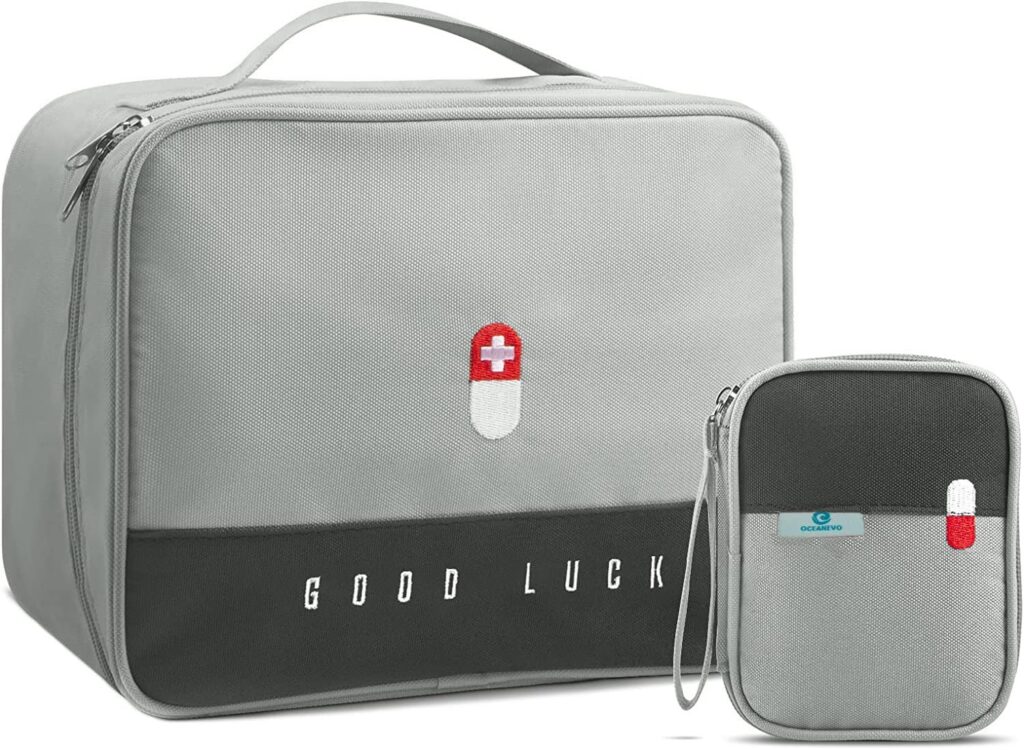
A proper travel first aid kit should be built around three categories:
1. Wound Care Essentials
These help manage cuts, scrapes, blisters, and burns.
- Adhesive bandages (various sizes)
- Sterile gauze pads
- Medical adhesive tape
- Antiseptic wipes
- Antibacterial ointment
- Blister patches
Blisters are extremely common in international travel, especially during city exploration where you walk long distances.
2. Basic Medication Support
This is where many travelers fail.
Carry medicines for:
- Fever and pain (Paracetamol / Ibuprofen)
- Allergies (Antihistamines)
- Stomach upset (Antacids)
- Diarrhea control tablets
- ORS sachets (for dehydration)
- Motion sickness tablets
Always carry medicines you have used before and trust.
Never experiment abroad.
3. Emergency & Utility Tools
These items often get ignored but are very useful:
- Tweezers (for splinters)
- Small scissors
- Safety pins
- Digital thermometer
- Disposable gloves
- Crepe bandage
- Instant cold pack
For adventure travelers, add:
- Emergency blanket
- Whistle
- Elastic compression bandage
The goal is simple — handle minor issues independently without medical panic.
7 Best Travel First Aid Kits for International Trips in 2026
Now let’s explore the best categories in detail.
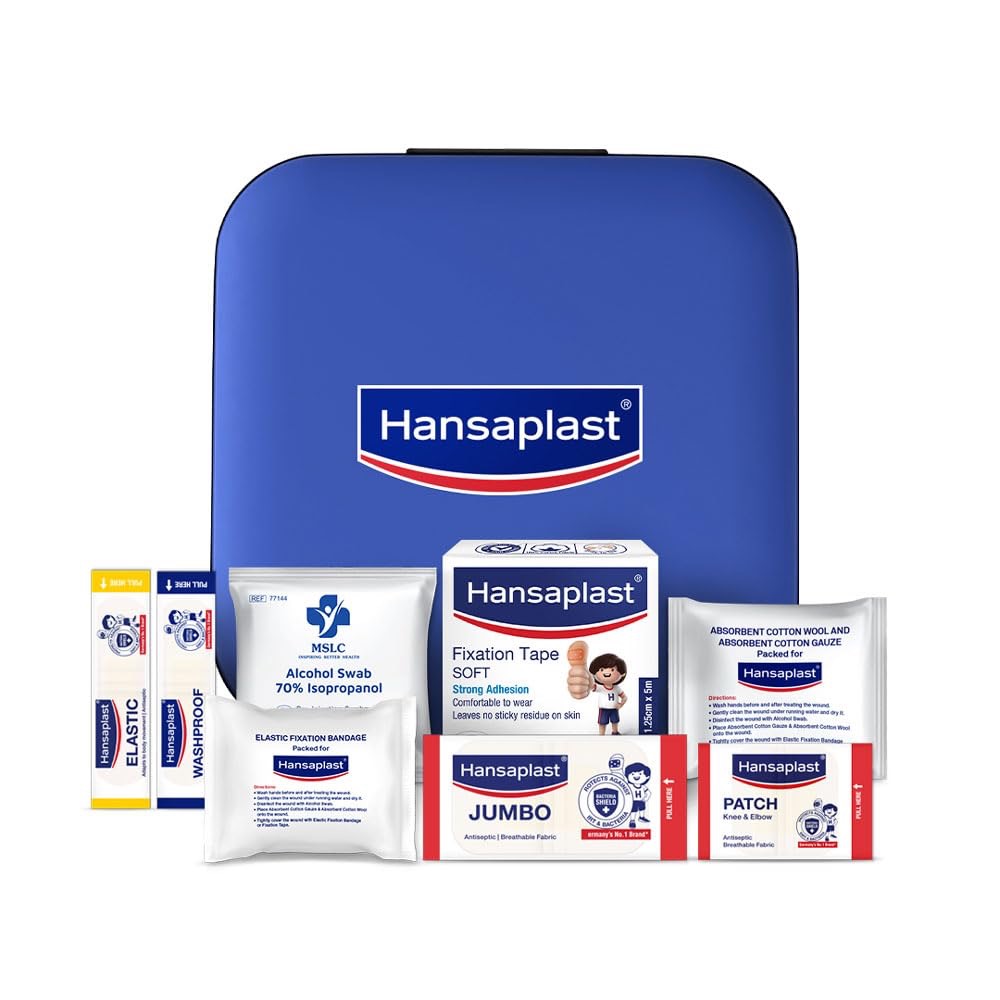
1. Compact All-in-One Travel First Aid Kit (Best Overall Choice)
This is the most balanced option for most travelers.
It comes pre-packed with 60–100 essential items inside an organized zip pouch.
Why it stands out:
It balances size and functionality. It fits easily in your backpack or cabin bag while still offering enough coverage for common travel issues.
Ideal for:
- International vacation trips
- Europe city tours
- Southeast Asia backpacking
- Solo travelers
Pros:
- Organized compartments
- Lightweight
- Budget-friendly
- Beginner-friendly
Cons:
- Limited advanced trauma supplies
👉 Check complete details and current price here
2. Adventure & Trekking First Aid Kit (Best for Outdoor Trips)
If you’re trekking in the Himalayas, hiking in Nepal, or road-tripping across Europe, you need something more comprehensive.
These kits include:
- Emergency blanket
- Splint support
- Compression bandage
- Larger gauze rolls
- Trauma scissors
They’re slightly heavier but designed for unpredictable outdoor conditions.
Best for:
- Mountain travel
- Camping trips
- Adventure lovers
- Long hiking routes
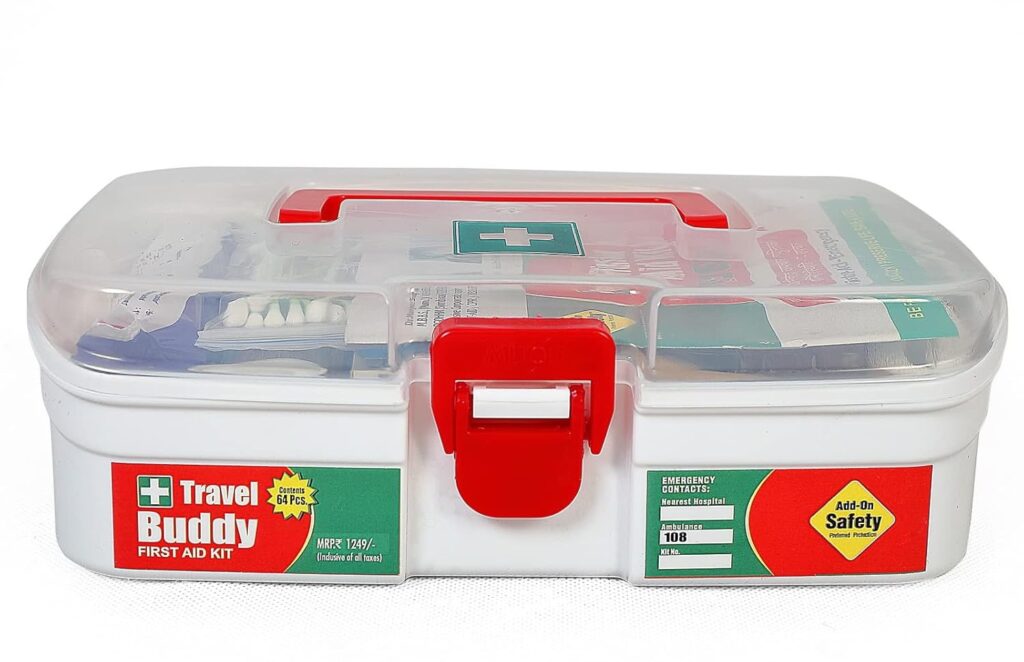
3. Premium International Travel First Aid Kit (Best for Long-Term Travel)
If you’re going abroad for:
- Study programs
- Work assignments
- Digital nomad lifestyle
- Long vacations
Then investing in a premium first aid kit makes sense.
These often contain:
- 100+ medical supplies
- Waterproof case
- High-quality bandages
- Advanced wound care items
They are durable and last multiple years.
👉 See full product specifications and availability here
4. Budget Travel First Aid Kit (Best for Students)
If you’re on a tight budget, don’t skip safety.
Even a small compact kit with:
- Basic bandages
- Antiseptic wipes
- Pain relievers
- ORS
Is far better than nothing.
Affordable. Simple. Effective.
5. Waterproof Travel First Aid Kit (Best for Beach Trips)
Humidity damages medicines.
If you’re heading to:
- Bali
- Maldives
- Phuket
- Goa
Choose waterproof kits to protect your supplies.
Moisture can ruin bandages and tablets.
👉 View waterproof kit options here
6. Family Travel First Aid Kit (Best for Group Travel)
Traveling with parents or kids?
Family kits contain larger quantities and kid-safe medicines.
More bandages.
Fever medicine.
Thermometer.
Extra gauze.
Because group travel increases medical probability.
7. Custom DIY Travel First Aid Kit (Smartest Long-Term Option)
Sometimes, building your own kit is the smartest option.
Buy a durable medical pouch and customize:
- Your regular medicines
- Allergy tablets
- ORS sachets
- Muscle spray
- Prescription copies
This ensures personalization.
👉 Explore travel medical pouches and essentials here
Common Mistakes Travelers Make (In Detail)
Carrying expired medicines.
Not checking expiry dates before packing.
Packing everything in check-in luggage.
Ignoring prescription documentation.
Carrying unnecessary heavy medical gear.
Preparation should be practical, not paranoid.
Expert-Level Travel Health Advice
Always:
- Carry digital and printed prescriptions
- Store medicines in original strips
- Keep emergency contacts saved offline
- Know local emergency number of destination country
- Carry basic travel insurance
Prepared travelers travel peacefully.
How Long Does a Travel First Aid Kit Last?
If stored properly:
- 2–3 years for equipment
- Replace medicines yearly
- Check expiry every 6 months
Store in a cool, dry place.
Review before every trip.
Final Thoughts: Safety Is the Real Luxury
Luxury hotels are nice.
Business class seats are comfortable.
But real luxury while traveling?
Peace of mind.
A travel first aid kit may sit unused in your bag for the entire trip.
And that’s the best outcome.
But if something small happens — and you are ready — that feeling of control is priceless.
Smart travel is not about fear.
It’s about freedom with preparation.
And a well-packed first aid kit gives you exactly that.
Travel boldly.
But travel prepared. 🌍✨
Why a Travel First Aid Kit Is Essential for International Travel
When you travel abroad, you face three main challenges regarding health:
- Different climate
- Different food
- Limited access to familiar medicine
Your body reacts differently in new environments. A sudden weather change can trigger allergies. Street food may upset your stomach. Long walking days can cause muscle pain or blisters.
According to global travel health data, nearly 30% of travelers experience minor medical issues during trips. Most of these are small problems — cuts, headaches, stomach issues — but they become stressful when you’re unprepared.
Having a well-stocked first aid kit means:
- You don’t panic over small injuries
- You avoid unnecessary hospital visits
- You save money on expensive foreign pharmacies
- You act immediately in emergencies
It’s not about expecting something bad.
It’s about being smart.
What Should a Good Travel First Aid Kit Include?
Before choosing the best options, let’s understand what matters.
A reliable travel first aid kit should contain:
- Adhesive bandages (various sizes)
- Antiseptic wipes
- Gauze pads
- Medical tape
- Pain relief tablets
- Anti-allergy medication
- Anti-diarrheal tablets
- ORS sachets
- Tweezers
- Scissors
- Safety pins
- Thermometer
- Gloves
For international travel, also consider:
- Motion sickness tablets
- Altitude sickness medication (if trekking)
- Prescription copies
- Basic antibiotics (doctor-advised)
The goal is simple — handle minor issues independently.
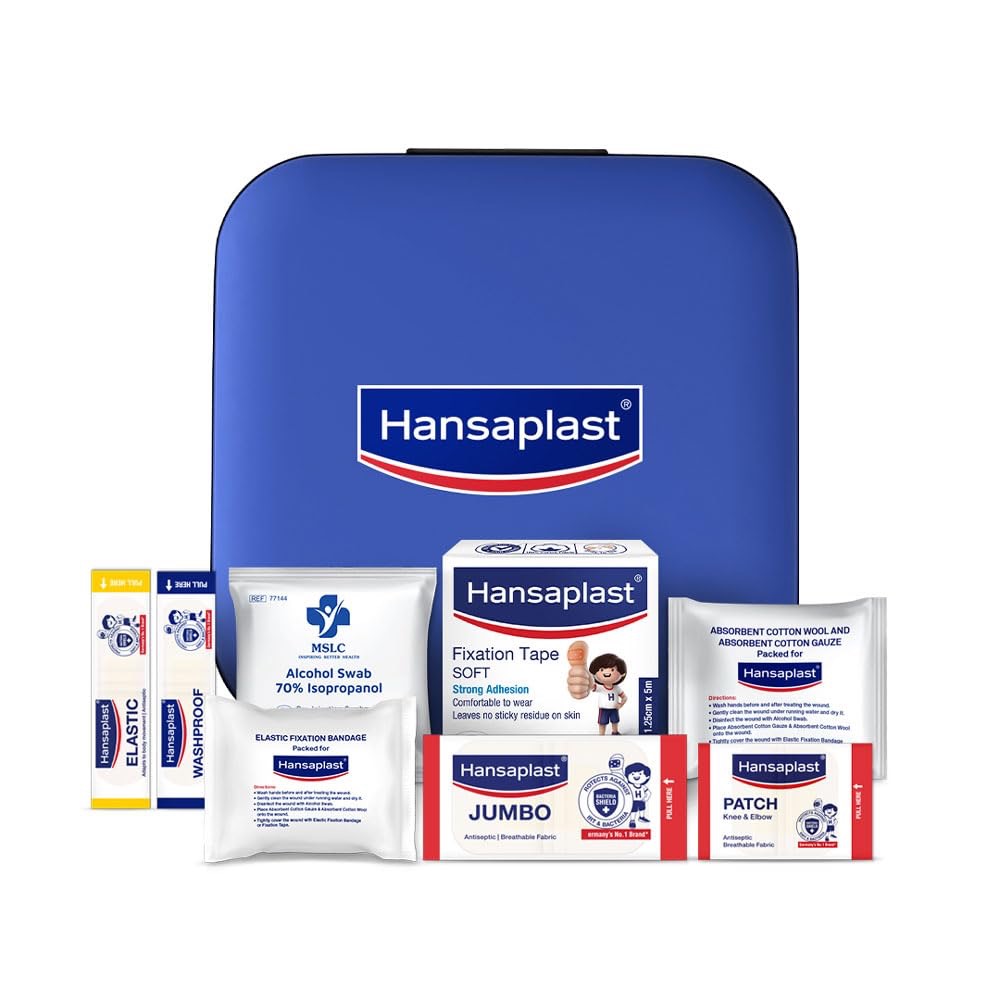
Compact All-in-One Travel First Aid Kit (Best Overall Choice)
This type of first aid kit is perfect for most travelers. It comes pre-packed with essential medical supplies in a compact, organized pouch.
Why it stands out:
It balances size and functionality. It’s small enough to fit in a backpack but comprehensive enough to handle common injuries.
Ideal for:
- International vacation trips
- Europe tours
- Southeast Asia backpacking
Pros:
- Organized compartments
- Lightweight
- Affordable
Cons:
- Limited advanced medical tools
Adventure & Trekking First Aid Kit (Best for Outdoor Trips)
If you’re planning trekking in Nepal, camping in Europe, or road trips across countries, you need something more robust.
These kits often include:
- Emergency blanket
- Compression bandage
- Splint
- Whistle
- Extra gauze rolls
They are slightly bigger but offer stronger emergency preparedness.
Perfect for:
- Mountain trips
- Solo travel
- Adventure lovers
Premium International Travel First Aid Kit (Best for Long Trips)
If you’re going abroad for:
- Study programs
- Exchange semesters
- Long vacations
- Digital nomad lifestyle
A premium kit is worth it.
It usually includes:
- 100+ medical items
- Better quality materials
- Durable waterproof pouch
- Advanced wound care tools
It costs more but lasts for years.
Budget Travel First Aid Kit (Best for Students)
If you’re traveling on a tight budget, you don’t need a massive kit.
A small basic first aid kit that includes bandages, antiseptic wipes, and basic medicines is enough for short trips.
Affordable. Practical. Simple.
Great for:
- Student exchange programs
- Budget Europe trips
- Short vacations
Waterproof Travel First Aid Kit (Best for Beach & Island Trips)
Going to Bali? Maldives? Thailand islands?
Humidity matters.
Waterproof kits protect medicines and bandages from moisture damage.
If you’re doing water sports, island hopping, or beach vacations, this type is extremely useful.
Family Travel First Aid Kit (Best for Group Trips)
Traveling with parents or siblings?
Family kits contain:
- More bandages
- Fever medication
- Kids-safe medicines
- Digital thermometer
Better quantity. Better coverage.
Custom DIY Travel First Aid Kit (Smartest Long-Term Option)
Sometimes, the best first aid kit is one you build yourself.
Buy a durable pouch and add:
- Your preferred medicines
- Personal prescriptions
- Allergy tablets
- Extra ORS
- Muscle spray
This ensures everything matches your needs.
Common Mistakes Travelers Make
Let’s prevent common errors.
Carrying Expired Medicines
Always check expiry dates.
Packing in Check-in Only
Keep small kit in cabin bag.
Ignoring Prescription Documentation
Some countries require prescription proof.
Overpacking Heavy Medical Gear
Be practical, not paranoid.
Expert Tips for International Travel Health
- Always carry digital copy of prescriptions.
- Research local emergency numbers.
- Know nearest hospital location.
- Store medicines in original packaging.
- Carry basic health insurance.
Prepared travelers travel peacefully.
How Long Does a Travel First Aid Kit Last?
If stored properly:
- 2–3 years average
- Replace medicines yearly
- Check expiry every 6 months
Keep it dry and organized.
Final Thoughts: Safety Is the Real Luxury
Travel isn’t just about destinations.
It’s about returning home safely.
A first aid kit may sit unused for your entire trip — and that’s the best outcome.
But if something small happens, and you are ready?
That feeling of control is priceless.
Because smart travel isn’t about fear.
It’s about freedom with preparation.
And a well-packed first aid kit gives you exactly that.