
PART 1
Table of Contents
Introduction – Why Small Travel Mistakes Ruin Good Trips
Most trips don’t go bad because of big disasters. They go bad because of small, repeated mistakes that slowly drain your energy, money, and mood.
You miss a bus. You overpack. You rush too much. You ignore your body. None of these alone seem serious, but together they can turn an exciting trip into a tiring one.
That’s why learning travel mistakes to avoid is just as important as learning travel tips.
When you know what not to do, travel becomes lighter. You stop fighting the journey and start enjoying it.
This blog is written from real travel experience, not perfection. These mistakes are common, human, and easy to make. I’ve made many of them myself.
Let’s start with the first two travel mistakes to avoid on any trip.
Travel Mistake 1: Overplanning Every Single Day
This is one of the most common travel mistakes to avoid, especially for people who love control.
Before the trip even starts, some travelers create tight schedules:
- Morning sightseeing
- Afternoon activities
- Evening plans
- Backup plans
On paper, it looks productive. In reality, it’s exhausting.
Why overplanning ruins trips
Travel days are unpredictable. Transport delays, weather changes, crowds, or just low energy can ruin even the best plans.
When everything is tightly scheduled:
- You feel stressed when things don’t go on time
- You rush instead of enjoying
- You feel guilty for skipping plans
Instead of enjoying the destination, you start chasing the itinerary.
What to do instead
One of the smartest ways to avoid this travel mistake is to plan less, but smarter.
Try this:
- Choose 1–2 main activities per day
- Keep rest time intentionally
- Leave space for spontaneous moments
Some of the best travel memories come from unplanned moments. Overplanning kills those moments.
Travel Mistake 2: Packing Too Much “Just in Case”
Overpacking is a classic travel mistake to avoid on any trip, no matter how experienced you are.
Many travelers pack based on fear:
- What if I need this
- What if weather changes
- What if I can’t find shops
So they pack extra clothes, shoes, accessories, and random items that never get used.
How overpacking affects your trip
Carrying heavy luggage affects you more than you think:
- Moving becomes tiring
- Transport feels stressful
- You waste time managing bags
- Your body feels exhausted faster
You end up spending energy on your luggage instead of the destination.
How to pack smarter
To avoid this travel mistake:
- Pack versatile clothes
- Choose comfort over options
- Repeat outfits without guilt
- Remember you can buy basics anywhere
Frequent travelers pack lighter not because they have less things, but because they trust experience more than fear.
Travel Mistake 3: Ignoring Local Culture and Basic Rules
This is one of the most damaging travel mistakes to avoid, yet many travelers don’t even realize they’re making it.
Every destination has its own culture, values, and social rules. When travelers ignore them, the experience immediately feels uncomfortable, both for locals and for themselves.
How this mistake usually happens
Most people don’t ignore culture intentionally. It happens because of:
- Assumptions based on home culture
- Lack of basic research
- Thinking “I’m just a tourist, it doesn’t matter”
This mindset creates distance between you and the destination.
Why ignoring culture ruins travel experiences
When you ignore local customs:
- Locals feel disrespected
- Interactions feel cold or awkward
- You may attract unnecessary attention
- You feel like an outsider everywhere
For example, dressing inappropriately at religious places, being loud where silence is expected, or clicking photos where it’s not allowed.
These moments create discomfort that stays in your mind longer than the trip itself.
How to avoid this travel mistake
Avoiding this mistake doesn’t require perfection, just awareness.
Before traveling:
- Learn basic cultural dos and don’ts
- Observe how locals dress and behave
- Follow signs and instructions
- Ask politely when unsure
Respect opens doors. Once locals feel respected, travel becomes warmer and more meaningful.
Travel Mistake 4: Underestimating Travel Fatigue and Your Own Energy
This is one of the most ignored travel mistakes to avoid, especially by enthusiastic travelers.
People often assume excitement will carry them through everything. It doesn’t.
Travel is physically and mentally tiring. New environments,
constant movement, noise, crowds, and decision-making drain energy faster than normal life.
How this mistake affects your trip
When you ignore fatigue:
- Small problems feel big
- You get irritated easily
- You stop enjoying experiences
- You feel exhausted instead of happy
Many travelers blame the destination when the real issue is exhaustion.
Why rest is part of travel, not a waste of time
Rest is not laziness. It’s fuel.
Frequent travelers understand that:
- One slow day improves the next three days
- Sleep matters more than sightseeing count
- Breaks help you enjoy moments fully
Travel is not about doing more. It’s about feeling present.
How to avoid this travel mistake
To avoid underestimating fatigue:
- Don’t plan early mornings every day
- Schedule rest intentionally
- Listen to your body
- Eat and hydrate properly
When your energy is balanced, travel feels enjoyable instead of overwhelming.
Travel Mistake 5: Spending Money Without Tracking It
This is one of the most common travel mistakes to avoid, especially when everything feels exciting and new.
At the start of a trip, small expenses don’t feel important. A coffee here, a cab there, a quick snack, a souvenir. Individually, they seem harmless. Together, they add up fast.
How this mistake affects your trip
When you don’t track spending:
- You run out of money earlier than expected
- You start saying no to experiences later
- You feel anxious instead of relaxed
- You constantly worry about your budget
Money stress can silently ruin the mood of a trip.
Why travelers overspend without noticing
Travel changes how we think about money. Everything feels temporary, so we spend without thinking.
Currency conversion also plays tricks on the mind. Prices may feel cheap, but repeated spending adds up.
This is why tracking money is one of the smartest habits travelers build over time.
How to avoid this travel mistake
You don’t need complex budgeting apps.
Simple steps work:
- Decide a rough daily budget
- Note big expenses mentally
- Check your balance regularly
- Avoid impulse spending when tired
Tracking money doesn’t limit fun. It protects it.
Travel Mistake 6: Depending Too Much on Technology
Phones make travel easier, but depending on them completely is a mistake many travelers make.
Maps, bookings, tickets, translations, payments. Everything lives inside the phone now. But technology is not always reliable.
Problems that arise from over-dependence
When your phone battery dies or internet disappears:
- You feel lost
- You panic
- You waste time
- You feel helpless
This can happen anywhere, even in big cities.
Why backup matters while traveling
Experienced travelers always have backups:
- Offline maps
- Saved addresses
- Printed hotel details
- Emergency contacts written somewhere
These small backups reduce panic when technology fails.
How to avoid this travel mistake
Technology should support you, not control you.
Before every trip:
- Download offline maps
- Screenshot important details
- Carry a power bank
- Remember basic directions
When you’re prepared, phone problems become minor issues instead of disasters.
Travel Mistake 7: Not Learning Basic Communication or Language Cues
Many travelers assume that language barriers will somehow solve themselves. Sometimes they do. But many times, this assumption creates unnecessary distance.
You don’t need to be fluent in a foreign language. But not learning even the basics is a travel mistake to avoid.
Why this mistake matters more than people think
Language is not just about words. It’s about respect.
When you don’t attempt basic communication:
- Locals may seem cold or distant
- Simple tasks take longer
- You feel more dependent on others
- Small misunderstandings increase
Even in destinations where English is common, effort still matters.
What “basic communication” really means
It’s not grammar or perfect pronunciation.
It means knowing:
- Hello
- Thank you
- Please
- Yes and no
- Excuse me
It also includes understanding body language, tone, and gestures that are common or offensive.
How to avoid this travel mistake
Before traveling:
- Learn a few key phrases
- Use translation apps but don’t rely only on them
- Watch how locals communicate
- Be patient and polite
A small effort in communication often leads to big kindness in return.
Travel Mistake 8: Comparing Every Destination to Home
This is a silent travel mistake to avoid, and it affects your mindset deeply.
Many travelers constantly compare:
- Food
- Comfort
- Cleanliness
- Behavior
They think in terms of better or worse, instead of different.
How comparison ruins travel experiences
When you compare everything to home:
- You focus on what’s missing
- You feel dissatisfied
- You stop appreciating uniqueness
- You judge instead of observing
No destination exists to match your comfort zone. It exists to offer something different.
Why acceptance improves travel instantly
Travel becomes meaningful when you accept differences instead of fighting them.
Different food, different pace, different systems. These differences are not flaws. They are identity.
Once you stop comparing, curiosity replaces complaint.
How to avoid this travel mistake
To avoid constant comparison:
- Remind yourself why you traveled
- Observe instead of judging
- Accept discomfort as part of growth
- Focus on experiences, not expectations
Travel feels lighter when you let destinations be themselves.
Travel Mistake 9: Expecting Everything to Go Perfectly
This is the biggest travel mistake to avoid on any trip.
Many travelers expect smooth flights, perfect weather, friendly people everywhere, and plans working exactly as imagined. Travel doesn’t work like that.
Flights get delayed. Weather changes. Transport fails. Plans get cancelled.
Why this mistake ruins trips
When you expect perfection:
- Small problems feel huge
- Mood gets spoiled quickly
- You focus on frustration instead of experience
Most travel stress comes from expectations, not problems.
How to avoid this travel mistake
Travel becomes easier when you:
- Accept uncertainty
- Stay flexible
- Focus on solutions, not blame
The calmer your mindset, the better your trip feels.
Final Conclusion – Avoiding These Travel Mistakes Changes Everything
Travel doesn’t need perfection. It needs awareness.
These travel mistakes to avoid are common, human, and easy to make. Once you recognize them, travel becomes lighter, calmer, and more enjoyable.
Good trips don’t come from perfect plans.
They come from good decisions, flexible thinking, and realistic expectations.
Avoid these mistakes, and every trip becomes a better experience.
Extra Practical Tips to Avoid Travel Mistakes (Added Value)
Even after knowing the main travel mistakes to avoid, small habits can make a big difference. These are not rules, just real travel sense that experienced travelers slowly build.
Build Buffer Time Everywhere
One of the smartest Travel Mistakes to Avoid Travel Mistakes to Avoid Travel Mistakes to Avoid Travel Mistakes to Avoid Travel Mistakes to Avoid Travel Mistakes to Avoid Travel Mistakes to Avoid Travel Mistakes to Avoid Travel Mistakes to Avoid Travel Mistakes to Avoid Travel Mistakes to Avoid Travel Mistakes to Avoid Travel Mistakes to Avoid Travel Mistakes to Avoid Travel Mistakes to Avoid Travel Mistakes to Avoidthings you can do while traveling is to stop rushing.
Always keep:
- Extra time between connections
- Flexible sightseeing plans
- Free evenings with no agenda
When something gets delayed, your entire trip doesn’t collapse.
Talk to Real People, Not Just Screens
Reviews are helpful, but real conversations help more.
Ask:
- Hotel staff
- Taxi drivers
- Local shop owners
- Fellow travelers
They give honest tips that Google doesn’t show.
Eat Simple Sometimes
Trying new food is great, but don’t force it every meal.
Mix local food with simple meals:
- Bread
- Rice
- Fruits
- Light snacks
This avoids stomach issues and keeps energy stable.
Accept That Some Days Will Feel Ordinary
Not every day will feel magical, and that’s okay.
Some days are just:
- Walking around
- Sitting quietly
- Observing life
These slow days often become the most memorable later.
Learn From Every Trip
Every trip teaches something:
- What you packed but didn’t use
- What you missed carrying
- What stressed you
- What made you happy
Take mental notes. Each journey makes the next one better.
Final Thought
Travel improves when you stop chasing perfection and start understanding yourself.
Avoid common travel mistakes, stay open-minded, and allow trips to flow naturally. That’s when travel stops feeling like a checklist and starts feeling like a story.
Travel Mistake 9: Expecting Everything to Go Perfectly (Expanded)
Most people don’t realize this, but this single mindset mistake creates almost every other problem during travel.
When you expect perfection, even small issues feel personal. A delayed bus feels like a disaster. A closed attraction feels like bad luck. But in reality, these are normal parts of travel.
Travel is unpredictable by nature. That’s not a problem. That’s the experience.
What usually goes wrong when expectations are too high
High expectations create pressure:
- Pressure to enjoy every moment
- Pressure to stick to plans
- Pressure to make the trip “worth it”
This pressure kills spontaneity. Instead of enjoying what’s happening, you keep thinking about what should have happened.

How experienced travelers think differently
Experienced travelers don’t expect smooth trips.
They expect changes.
They know:
- Plans will shift
- Some days will feel slow
- Some moments will be uncomfortable
And that’s okay.
When something goes wrong, they adapt instead of reacting.
Simple mindset shift that improves every trip
Instead of asking:
Why is this happening
Ask:
What can I do now
This one shift saves energy, time, and mood.
Extra Travel Habits That Help You Avoid Mistakes
These are not rules, just habits that make travel easier.
- Always leave buffer time
- Eat before long journeys
- Rest when tired, don’t push
- Talk to locals when confused
- Accept that not everything needs to be documented
Travel feels lighter when you stop trying to control everything.
Travel Mistake 9: Expecting Everything to Go Perfectly (Expanded)
Most people don’t realize this, but this single mindset mistake creates almost every other problem during travel.
When you expect perfection, even small issues feel personal. A delayed bus feels like a disaster. A closed attraction feels like bad luck. But in reality, these are normal parts of travel.
Travel is unpredictable by nature. That’s not a problem. That’s the experience.
What usually goes wrong when expectations are too high
High expectations create pressure:
- Pressure to enjoy every moment
- Pressure to stick to plans
- Pressure to make the trip “worth it”
This pressure kills spontaneity. Instead of enjoying what’s happening, you keep thinking about what should have happened.
How experienced travelers think differently
Experienced travelers don’t expect smooth trips.
They expect changes.
They know:
- Plans will shift
- Some days will feel slow
- Some moments will be uncomfortable
And that’s okay.
When something goes wrong, they adapt instead of reacting.
Simple mindset shift that improves every trip
Instead of asking:
Why is this happening
Ask:
What can I do now
This one shift saves energy, time, and mood.
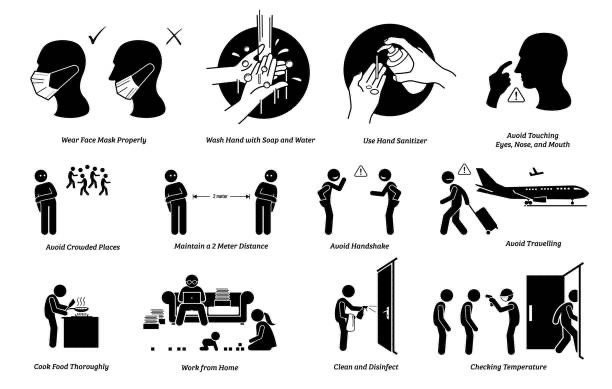
Extra Travel Habits That Help You Avoid Mistakes
These are not rules, just habits that make travel easier.
- Always leave buffer time
- Eat before long journeys
- Rest when tired, don’t push
- Talk to locals when confused
- Accept that not everything needs to be documented
Travel feels lighter when you stop trying to control everything.