
Traveling with Newborn
Table of Contents
Introduction: Why Traveling with a Newborn Can Be Both Exciting and Challenging
Traveling with newborns is a unique experience that blends joy, adventure, and sometimes a fair share of anxiety. For many parents, the idea of packing up and heading out with a tiny infant can feel overwhelming. From ensuring comfort and safety to managing feeding schedules and diaper changes, every detail matters.
However, traveling with newborns is also an opportunity to create lifelong memories and discover new places as a family. Planning, preparation, and awareness are the keys to a smooth journey.
This guide focuses on actionable tips that make traveling with newborn stress-free, enjoyable, and safe—whether it’s a short road trip or a long-haul flight.
Parents who approach trips strategically find that even a newborn can enjoy new environments while the parents remain calm and confident
. This blog will explore ten essential tips, each crafted to address the most common challenges faced by families traveling with infants.

Tip 1–2: Planning Ahead and Choosing the Right Travel Mode
1. Decide on the Travel Mode
Choosing how you travel is one of the most critical decisions when traveling with newborn. Each mode of transport comes with advantages and challenges:
- Flights: Fastest for long distances but requires extra planning around security checks, feeding, and air pressure changes.
- Road Trips: Offer flexibility to stop whenever necessary, maintain the baby’s schedule, and travel at your own pace.
- Train or Bus Travel: Sometimes overlooked, but ideal for medium distances where space is available for strollers and seating is more relaxed.
Parents should assess their newborn’s temperament, the trip’s distance, and their comfort level before deciding.
2. Timing Matters
When traveling with newborn, timing is crucial. Try to schedule trips during periods when your baby is generally calm and alert. Consider:
- Flight Departure Times: Early morning flights are often quieter and may align with the newborn’s sleep patterns.
- Road Trips: Departing after a nap or feeding session reduces fussiness and ensures smoother travel.
- Duration: Avoid overly long travel days initially—start with short trips to build confidence.
Planning ahead reduces stress and ensures that parents are prepared for the challenges of infant travel.
Tip 3–4: Packing Essentials for Your Newborn
3. Must-Have Baby Items
Packing for a newborn is a different level of preparation. Essentials include:
- Diapers and Wipes: Always pack more than you think you’ll need.
- Feeding Supplies: Bottles, formula, breast pump, nursing covers, and extra bibs.
- Clothing: Comfortable layers suitable for different climates, including extra outfits for accidents.
- Blankets and Swaddles: For warmth, comfort, and familiarity in unfamiliar environments.
A well-packed bag ensures that you can manage any situation during your trip, making traveling with newborn manageable.
4. Travel Gear and Safety Equipment
Beyond everyday items, certain gear improves comfort and safety:
- Strollers: Lightweight, foldable, and travel-friendly strollers allow easy movement.
- Car Seats: Ensure the seat is FAA-approved for air travel or suitable for your vehicle.
- Baby Carriers: Perfect for crowded spaces, airports, or scenic walks.
- Travel Cots: For overnight stays, a portable cot provides a familiar sleep environment.
Careful preparation with the right gear ensures your newborn’s comfort and safety, allowing parents to relax and enjoy the trip.
Tip 5–6: Feeding and Sleep Strategies on the Go
5. Feeding on the Move
Feeding schedules are a top concern when traveling with newborn. Here’s how to manage:
- Breastfeeding: Carry nursing covers and stay aware of comfortable spots for feeding in airports or rest stops.
- Formula Feeding: Pre-measure formula, carry bottled water (if needed), and ensure hygienic conditions for preparation.
- Snacks for Parents: Don’t forget your own nourishment—keeping parents fed helps maintain energy.
Being prepared allows feeding to happen smoothly and reduces fussiness.
6. Maintaining Sleep Patterns
Sleep is crucial for newborns. Disruptions can create crankiness, so consider:
- Portable Sleep Spaces: Travel cots Traveling with Newborn or bassinets allow the baby to sleep in a familiar environment.
- White Noise or Music: Replicate home sounds to help the baby feel secure.
- Flexible Routine: While keeping roughly to home patterns, allow slight adjustments depending on the travel situation.
Good sleep strategies improve the mood for both baby and parents, making traveling with newborn more manageable.
Safety, Health, Entertainment, and Managing Emergencies
Tip 7–8: Ensuring Safety and Comfort During the Trip
7. Prioritize Car and Air Travel Safety
Safety is the most important aspect when traveling with newborn.
Babies are vulnerable to sudden movements, temperature changes, and germs, so parents must take precautions:
- Car Travel:
- Always use a rear-facing car seat that meets safety standards.
- Secure the seat properly and check that straps fit snugly without restricting breathing.
- Take regular stops to allow the baby to stretch and feed.
- Air Travel:
- Choose seats near the aisle for easy access to bathrooms and stretching.
- Use FAA-approved baby carriers or car seats.
- Keep hand sanitizer and disinfectant Traveling with Newborn wipes handy for tray tables, armrests, and seat areas.
By ensuring proper safety measures, parents can travel with peace of mind while keeping their newborn protected.
8. Manage Temperature and Comfort
Newborns are sensitive to extreme temperatures. Parents should:
- Dress the baby in layers that can be added or removed easily.
- Carry a blanket or swaddle for warmth during flights or cool air-conditioned vehicles.
- Avoid overdressing, which can cause overheating during long travel days.
- Check cabin or vehicle temperature and adjust clothing accordingly.
Comfortable infants are happier, less fussy, and easier to manage, making traveling with newborn smoother.
Tip 9: Entertainment and Engagement During Travel
Though newborns are not mobile or talkative, mental and sensory stimulation is important for their development and helps reduce fussiness.
Tips include:
- Visual Stimulation: Black-and-white or high-contrast books or toys are ideal for newborn vision.
- Auditory Engagement: Soft music, lullabies, or gentle talking soothes babies.
- Interactive Holding: Parents can maintain eye contact, gentle rocking, or tummy time at rest stops.
Even brief moments of engagement during a long trip can help maintain the newborn’s mood and provide parents a sense of accomplishment while traveling with newborn.
Tip 10: Preparing for Emergencies and Health Needs
Emergencies can happen unexpectedly. Being prepared is essential:
- Medical Kit Essentials: Thermometer, baby-safe pain relief, diaper rash cream, nasal aspirator, and any prescribed medications.
- Know Nearby Medical Facilities: Research hospitals or clinics near your travel route or destination.
- Travel Insurance: Ensure it covers infants and includes emergency care, especially for long trips or international travel.
- Emergency Contacts: Keep a list of pediatricians, hospitals, and family contacts easily accessible.
Being proactive with emergency planning reduces stress and ensures you can handle unexpected situations while traveling with newborn confidently.
Additional Tips for Stress-Free Newborn Travel
- Flexible Schedule: While maintaining routine is good, allow extra time for unexpected delays.
- Extra Diapers and Supplies: Never underestimate the need for extras.
- Stay Calm: Babies pick up on parental stress; remaining composed helps soothe them.
- Use Technology Wisely: Apps for tracking feeds, sleep, or nearby baby-friendly facilities are invaluable.
- Plan Short Trips First: Before attempting long-haul journeys, practice with nearby destinations.
Humanized Anecdotes
- Parents Sarah and James found that taking a 3-hour drive with their 2-month-old was easier than expected. They packed a diaper bag with more than necessary, brought a stroller, and used frequent breaks for feeding and changing. By the end of the trip, their baby slept soundly, and they felt confident to plan longer trips.
- Emma, traveling internationally with a 6-week-old, shared that airline staff were extremely helpful when she had all essentials ready and used a portable bassinet on the flight. Their preparation reduced stress and allowed her to enjoy the journey.
These stories show that with careful planning, traveling with newborn can be enjoyable, even for first-time parents.
FAQs – Humanized and Helpful
Q1. At what age is it safe to travel with a newborn?
Most pediatricians recommend waiting until the baby is at least 2–3 weeks old. Premature or medically fragile infants may require longer. Always consult your doctor.
Q2. How do I handle diaper changes during flights or long drives?
Airports and rest stops have designated baby changing areas. On a plane, use a changing mat on the airplane seat tray (when permitted) or in the lavatory.
Q3. Can I breastfeed or bottle-feed during takeoff and landing?
Yes. Sucking helps equalize ear pressure and prevents discomfort. Nursing or bottle-feeding is encouraged during these times.
Q4. How do I deal with a fussy newborn in public spaces?
Stay calm, find a quiet area if possible, use swaddling, and keep feeding or pacifier handy. Most people understand and are patient with infants.
Q5. What essentials should I carry in my carry-on?
Diapers, wipes, extra clothes, blankets, feeding supplies, pacifier, baby medications, and a small toy for distraction.
Advanced Tips, Seasonal Travel, Road vs Air, and Conclusion
Seasonal Travel Tips for Traveling with Newborn
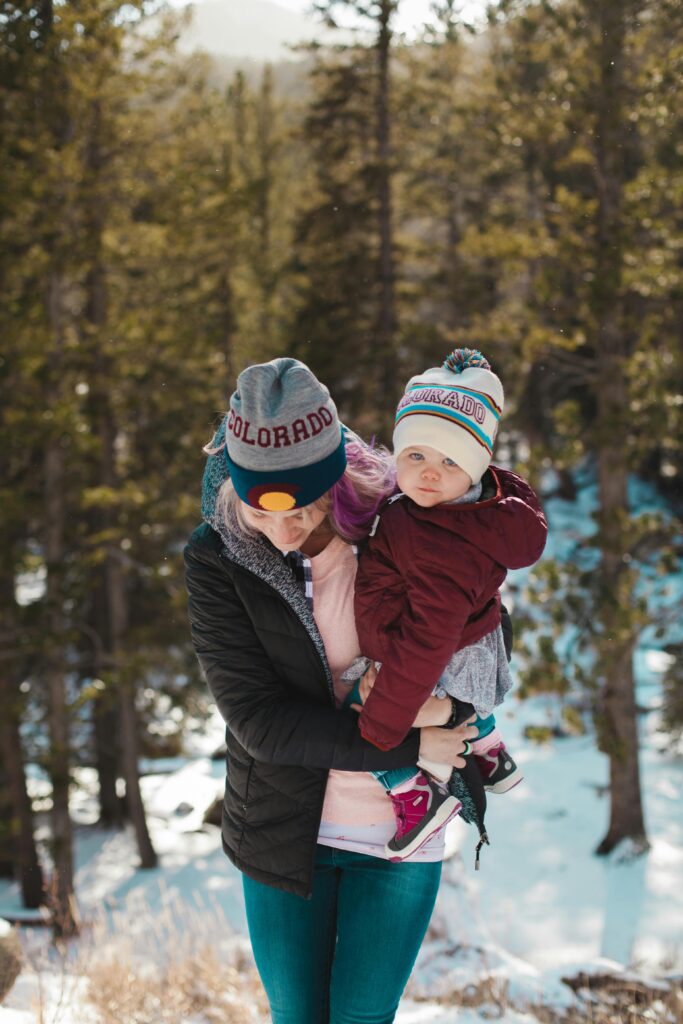
Traveling with a newborn requires extra attention depending on the season:
Winter Travel
- Dress in layers to manage cold airport terminals and airplane cabins.
- Use a soft, insulated blanket or swaddle for warmth.
- Avoid over-bundling; ensure the baby doesn’t overheat.
- Choose destinations with mild winters to reduce exposure to harsh weather.
Summer Travel
- Lightweight cotton clothing helps prevent overheating.
- Keep the baby hydrated; bring enough water for formula or breastfeeding.
- Protect from sun exposure using hats, stroller canopies, and UV-protective clothing.
Rainy Season or Monsoon Travel
- Waterproof stroller covers and baby umbrellas are essential.
- Pack extra clothes in case of spills or wet conditions.
- Select indoor or sheltered destinations for parts of the trip.
Seasonal awareness ensures that traveling with newborn remains comfortable, safe, and stress-free, no matter the weather.
Road Trips vs Air Travel
Road Trips with Newborn
- Allow for flexible breaks for feeding, diaper changes, and stretching.
- Pack extra blankets, snacks for parents, and entertainment for older siblings.
- Use sunshades on windows to protect the baby from glare.
- Keep a first-aid kit and emergency contacts handy.
Air Travel with Newborn
- Choose flights aligning with the baby’s sleep schedule.
- Confirm airline policies on bassinets, car seats, and extra luggage.
- Arrive early to navigate security and gates comfortably.
- Keep feeding essentials within reach to soothe the baby during takeoff and landing.
Both modes have pros and cons, but preparation makes either option manageable. Traveling with newborn becomes an enjoyable experience when parents anticipate challenges and plan ahead.
Long-Haul Travel Considerations
Long-haul trips require additional planning:
- Break the Flight: For very long journeys, consider stopovers to allow the baby to stretch.
- Comfortable Seating: Reserve bulkhead or aisle seats for more space and accessibility.
- Entertainment and Soothing: Bring familiar toys, pacifiers, and portable white-noise machines.
- Feeding Logistics: Pre-measure formula, carry extra diapers, and pack enough spare clothes.
Even for long flights, following these strategies ensures traveling with newborn is manageable and less stressful for parents and the infant.
Additional Humanized Advice
- Stay Flexible: Unexpected delays, fussiness, or medical needs can arise. Accept that perfection isn’t the goal; comfort and safety are.
- Involve Your Partner: Sharing responsibilities between parents reduces fatigue and enhances the experience.
- Document Memories: Even short trips offer beautiful moments—take photos, record milestones, and note memorable experiences.
Many parents report that the first trip with a newborn is challenging but ultimately rewarding, laying the foundation for confident family travel in the future.
Comprehensive FAQ Section
Q1. How can I keep my newborn comfortable on a plane?
Dress the baby in soft layers, use a blanket or swaddle, feed during takeoff/landing, and bring familiar comfort items like a pacifier or favorite toy.
Q2. Can I travel internationally with a newborn?
Yes, but consult your pediatrician first. Ensure passports, vaccinations, and travel insurance are up to date.
Q3. What should I pack for a weekend trip?
Diapers, wipes, extra clothes, blankets, bottles/formula, a first-aid kit, stroller/carrier, and travel-friendly toys.
Q4. How can I manage sleep disruptions?
Try to maintain a flexible version of your baby’s home routine, use white noise or a portable sound machine, and allow for naps during travel.
Q5. Is it safe to travel with a newborn under 2 months old?
Many pediatricians recommend waiting until the baby is at least 2–3 weeks old, or longer for premature or medically fragile infants. Always consult your doctor.

Conclusion: Making Every Trip Stress-Free and Memorable
Traveling with newborn is a journey of preparation, patience, and discovery. By following these ten essential tips—careful planning, packing smart, ensuring comfort, prioritizing safety, and staying flexible—parents can enjoy smooth and stress-free family trips.
From short weekend getaways to long international journeys, the right strategies allow both the newborn and parents to thrive. Remember, travel is not just about reaching a destination; it’s about building memories, creating routines that work, and embracing the joy of exploring the world together—even with your little one in tow.
The first trip may be challenging, but with preparation and awareness, traveling with newborn can become a fulfilling adventure that strengthens family bonds and builds confidence for future travels.
Emotional Preparedness for Parents
Traveling with a newborn is as much an emotional journey as a logistical one. Parents often experience stress, anxiety, or fatigue. Keeping a positive mindset is essential:
- Set Realistic Expectations: Understand that plans may change due to baby’s needs, weather, or delays. Flexibility is your best friend.
- Self-Care Matters: Parents should ensure adequate rest, hydration, and nutrition. Tired parents can feel overwhelmed easily.
- Mindfulness and Patience: Techniques like deep breathing or meditation during breaks can help maintain calm.
- Support Network: Traveling with a partner or family member helps distribute responsibilities and reduces stress.
Being emotionally prepared ensures that traveling with newborn is enjoyable for the whole family.
12. Packing Hacks and Travel Organization
Organization reduces last-minute stress and ensures nothing is forgotten:
- Use Packing Cubes: Separate baby clothes, diapers, and accessories for easy access.
- Travel Checklist: Create a digital or printed checklist of essentials.
- Diaper Bag Essentials: Pack in layers—frequent-use items on top.
- Portable Changing Kit: Include wipes, diapers, changing pad, and hand sanitizer.
Smart packing makes it easier to handle unexpected situations, particularly in airports or on road trips, and ensures a smoother experience.
13. Feeding on the Go: Tips and Tricks
Feeding schedules can be challenging during travel:
- Breastfeeding: Bring nursing covers and find quiet spaces for comfort.
- Bottle Feeding: Pre-measure formula and carry sterilized bottles.
- On Flights: Feed during takeoff and landing to ease ear pressure.
- Snacks for Parents: Keep quick snacks and water handy to stay energized.
Proper feeding reduces fussiness and makes traveling with newborn more manageable.
14. Managing Diapering and Hygiene
Hygiene is crucial when traveling:
- Frequent Diaper Changes: Prevent discomfort and rashes by changing regularly.
- Sanitizing Hands: Carry hand sanitizer and wipes for both baby and parents.
- Travel-Friendly Diaper Bag: Ensure easy access to diapers, wipes, extra clothing, and plastic bags for disposal.
Maintaining hygiene ensures health, comfort, and reduces stress during trips.
15. Travel Entertainment and Developmental Stimulation
Even though newborns are young, light stimulation can keep them calm and engaged:
- Soft Toys and Rattles: Ideal for sensory engagement.
- Auditory Stimulation: Lullabies or soft music create a calming atmosphere.
- Visual Stimulation: High-contrast books or soft colors attract newborn attention.
- Interactive Holding: Eye contact and gentle rocking comfort the baby.
These small measures keep your newborn relaxed, making traveling with newborn a positive experience.
16. Road Trip Tips for Parents
Road trips have unique advantages:
- Frequent Breaks: Stops every 1–2 hours for feeding, diaper changes, and stretching.
- Car Seat Safety: Ensure rear-facing seats are securely fastened.
- Entertainment: Use soft toys, music, or baby-friendly audiobooks.
- Flexible Planning: Adapt routes and timing to baby’s comfort.
Road trips allow flexibility and control, making them an excellent option for early family travel.
17. Air Travel Tips for Parents
Flying with newborns can be intimidating, but preparation helps:
- Choose the Right Seats: Bulkhead or aisle seats provide space and convenience.
- Early Boarding: Gives extra time to settle in and manage diaper bags.
- In-Flight Comfort: Bring blankets, pacifiers, and favorite items for soothing.
- Stay Calm: Babies sense stress, so relaxed parents help keep infants calm.
With these tips, parents can enjoy smooth flights while traveling with newborn.
Conclusion: Embrace the Adventure of Traveling with Newborn
Traveling with a newborn is a unique journey that combines excitement, responsibility, and joy. Following the 10 essential tips, along with these extra strategies, ensures trips are safe, comfortable, and memorable.
Whether it’s a weekend road trip, a long-haul flight, or a visit to family, preparation, patience, and positive mindset make all the difference. Remember:
- Plan carefully and pack smart.
- Prioritize your baby’s comfort and health.
- Be flexible and maintain realistic expectations.
- Take care of yourself and enjoy the experience.
Traveling with newborn is not just about reaching a destination—it’s about creating memories, learning together as a family, and starting a lifetime of adventure with your little one.