
Table of Contents
Budget travel tips are the one thing every traveler wishes they had discovered sooner. Whether you are a first-time backpacker, a weekend explorer, or someone who simply wants to stretch every rupee or dollar as far as it will go — this guide is for you.
Traveling on a budget does not mean sacrificing comfort, missing out on experiences, or staying in places you would rather forget. It means being smart, intentional, and a little creative with how you plan and spend.
The truth is, some of the most experienced travelers in the world spend less than the average tourist — not because they cut corners, but because they know exactly where to spend and where to save.
In this post, we are going to walk through seven powerful, practical, and proven budget travel tips that will help you travel more often, see more places, and spend significantly less money doing it.
Let us get into it.
Why Budget Travel Is More Achievable Than You Think
Most people believe that travel is expensive. And yes, it absolutely can be — if you book last minute, fly at peak times, stay at tourist-trap hotels, and eat every meal at restaurants designed for visitors.
But here is the reality: the world is full of travelers who explore incredible destinations on $30 to $50 a day. Some do it on even less.
The difference is not income. The difference is knowledge.
Consider these facts:
- Flights booked 6 to 8 weeks in advance are on average 20 to 30 percent cheaper than last-minute bookings
- Traveling during shoulder season can cut accommodation costs by up to 50 percent
- Cooking your own meals even two or three times a week while traveling can save hundreds of dollars on a two-week trip
- Free walking tours exist in almost every major city in the world
- Housesitting, Couchsurfing, and hostel work exchanges make accommodation completely free for thousands of travelers every year
Budget trip planning is a skill. And like any skill, the more you practice it, the better you get. Let us start building that skill right now.
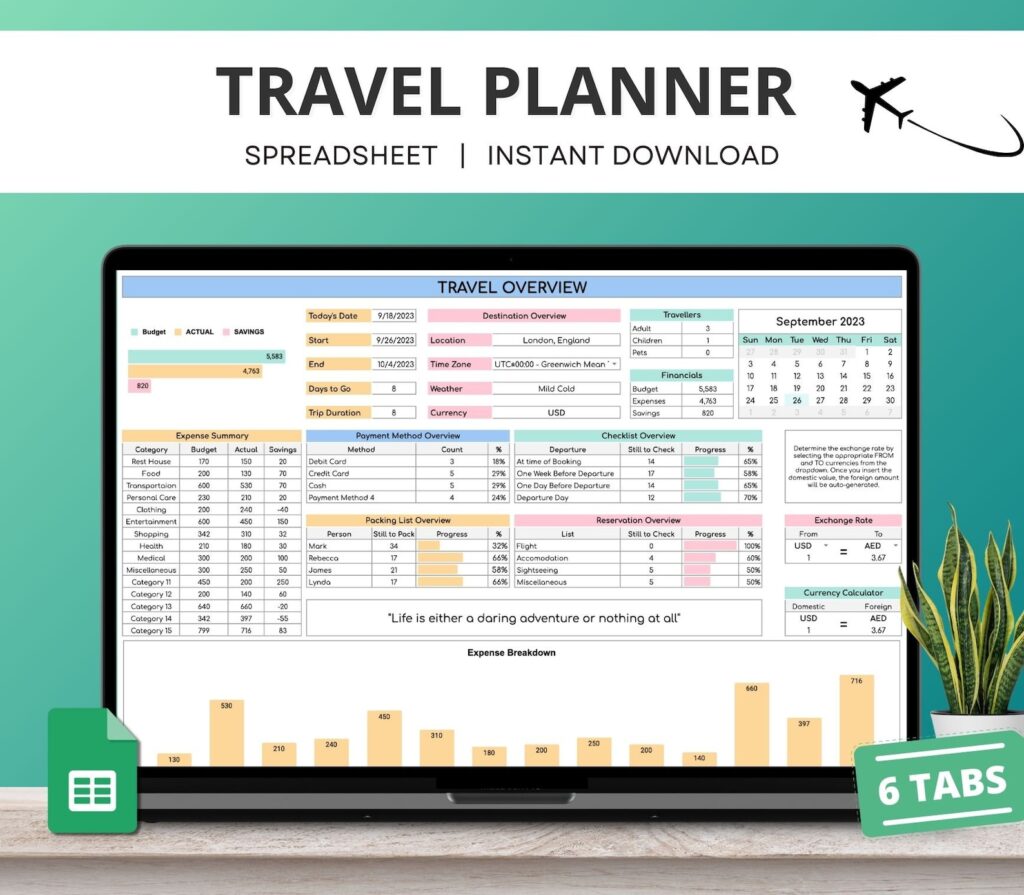
Tip 1: Plan Early and Be Flexible With Your Dates
The single most effective of all budget travel tips is also the simplest: plan ahead and stay flexible.
Flight prices are driven by demand and algorithms. The earlier you book, the more likely you are to catch a seat before prices climb. But flexibility is equally powerful — sometimes shifting your departure by just one or two days can save you a significant amount.
How to Find the Cheapest Flights
Use these tools to find the best deals:
- Google Flights — use the calendar view to see the cheapest days to fly across an entire month
- Skyscanner — set up price alerts and use the “Everywhere” search feature if your destination is flexible
- Hopper — predicts whether flight prices will rise or fall and tells you the best time to book
- Kiwi.com — great for combining multiple budget airlines into one itinerary
The Best Days to Fly on a Budget
Research consistently shows that Tuesday, Wednesday, and Saturday tend to offer lower fares than Friday or Sunday. Early morning and late-night flights are also typically cheaper than mid-day departures.
Real example: A traveler planning a trip from Delhi to Bangkok found flights costing ₹18,000 on a Saturday morning. By shifting the departure to a Wednesday evening, the same route dropped to ₹11,500 — a saving of over ₹6,000 with a five-minute search.
Being flexible is not just about dates. If you can be flexible about your destination too, the savings multiply. Ask yourself: where can I go for the budget I have? rather than: how do I afford to go where I want? Sometimes the answer surprises you beautifully.
Tip 2: Travel During Shoulder Season to Save Big
Peak season travel is the most expensive way to see the world. You pay premium prices for flights, accommodation, and tours — and you do it surrounded by crowds.
Shoulder season — the period just before or after peak tourist season — offers almost identical experiences at a fraction of the cost.
Shoulder Season Examples by Destination
- Goa, India — October and early November instead of December and January
- Europe — April to May or September to October instead of July and August
- Bali, Indonesia — October and November instead of July and August
- Thailand — April and May instead of December and January
- Japan — June or late November instead of cherry blossom season in April
During shoulder season you will find:
- Hotel and guesthouse prices 30 to 50 percent lower
- Far shorter queues at popular attractions
- A more authentic, less commercialised experience
- Friendlier interactions with locals who are not exhausted by tourist crowds
- Better availability at popular restaurants without advance booking
This is one of those affordable travel tips that costs you nothing to implement — just a small shift in your travel calendar can transform both your experience and your budget.
Tip 3: Use Budget Travel Tips to Slash Accommodation Costs
Accommodation is typically the biggest expense on any trip. But there are more ways to reduce this cost than most travelers realise.
Affordable Accommodation Options for Budget Travelers
Hostels — Modern hostels have come a long way from the dingy, noisy dormitories of the past. Many now offer stylish common areas, free breakfast, organized social events, and private rooms at guesthouse prices. Use Hostelworld or Booking.com to filter by rating and find highly reviewed options.
Guesthouses and homestays — In countries like India, Nepal, Vietnam, and Morocco, locally owned guesthouses offer clean, comfortable rooms at a fraction of hotel prices. You also get far more authentic hospitality and local insight.
Airbnb for longer stays — Airbnb offers significant discounts for weekly and monthly bookings. If you are staying in one place for more than five days, a private apartment often works out cheaper than a hotel and gives you a kitchen to cook in.
Couchsurfing — A global community of travelers who host visitors for free. It is not for everyone, but for those comfortable with it, Couchsurfing eliminates accommodation costs entirely and often leads to some of the most memorable travel experiences imaginable.
Housesitting — Platforms like TrustedHousesitters connect travelers with homeowners who need someone to look after their home and pets while they are away. You stay for free in exchange for caring for the property. Many housesitters travel almost entirely for free using this method.
H3: Smart Booking Habits That Save Money

- Always check both Booking.com and the hotel’s direct website — hotels sometimes offer lower rates or added perks for direct bookings
- Look for accommodation that includes free breakfast — this can save $8 to $15 per day per person
- Read recent reviews carefully — a cheap room that costs you sleep is not actually cheap
- Book refundable rates when possible unless the non-refundable discount is over 20 percent
Tip 4: Eat Like a Local — One of the Best Cheap Travel Hacks
Food is where travelers bleed money without realising it. Three sit-down restaurant meals a day at tourist-facing establishments can easily cost $40 to $60 per person — which adds up to $280 to $420 over a single week.
The solution is beautifully simple: eat where locals eat.
How to Eat Well on a Travel Budget
Street food and local markets are almost always the best combination of quality, authenticity, and price. In Thailand, a bowl of pad thai from a street vendor costs 50 baht — about $1.40. In India, a full thali meal at a local dhaba costs ₹80 to ₹150. In Mexico, two tacos from a street stall cost less than a dollar each.
These are not compromises. They are often the best food you will eat on your entire trip.
Cook your own meals when you have access to a kitchen. Even preparing breakfast and one other meal per day yourself dramatically reduces your food budget without limiting your restaurant experiences for meals that truly matter.
Lunch over dinner — if you want to eat at a nicer restaurant, do it at lunch. Most restaurants offer the same dishes at lunch for 20 to 40 percent less than the evening menu.
Grocery stores are your friend. Supermarkets in most countries are treasure troves of local snacks, fresh fruit, bread, cheese, and easy meal ingredients. A supermarket lunch picnic in a local park is often more enjoyable than a mediocre tourist restaurant anyway.
Real example: A couple traveling through Europe for three weeks budgeted €30 per day for food between them. By eating street food and market lunches, cooking breakfast in their Airbnb, and treating themselves to one nice dinner every three or four days, they came home having spent an average of €22 per day — €168 under their food budget for the entire trip.
Tip 5: Master Low Cost Travel Ideas for Getting Around
Transport within a destination is another area where budget travelers save significantly compared to average tourists.
The Budget Traveler’s Transport Toolkit
Public transport first, always. Buses, metro systems, trams, and local trains are almost always dramatically cheaper than taxis or ride-shares. A metro ride in most cities costs the equivalent of $0.50 to $2. A taxi for the same journey might cost $8 to $15.
Overnight trains and buses are one of the most underrated low cost travel ideas available. By traveling overnight, you eliminate a night’s accommodation cost while covering distance simultaneously. Overnight sleeper trains across India, Europe, and Southeast Asia are genuinely comfortable and a memorable part of the travel experience in themselves.
Ride-sharing apps like Blablacar (popular in Europe and India) connect travelers with drivers making long-distance journeys who offer spare seats at minimal cost. A journey that would cost ₹1,200 by train might cost ₹400 through Blablacar.
Walking and cycling — In most cities, the most interesting areas are walkable. Rent a bicycle for a day in Amsterdam, Kyoto, or Jaipur and you will cover more ground, see more streets, and spend almost nothing on transport.
Book buses over domestic flights for shorter distances. A flight from one city to another might cost ₹3,000 to ₹6,000 after fees and airport transport. A comfortable overnight bus on the same route might cost ₹600 to ₹900 and gets you there by morning.
H3: How to Save Money While Traveling Between Countries
- Use budget airlines like IndiGo, SpiceJet, AirAsia, Ryanair, or EasyJet for regional flights — but always check baggage fees before booking, as these can eliminate the savings entirely
- Cross borders by land where possible — land border crossings between countries in Southeast Asia, South Asia, and Europe are usually far cheaper than flying
- Consider slow travel — staying longer in each destination reduces the frequency and cost of transport overall
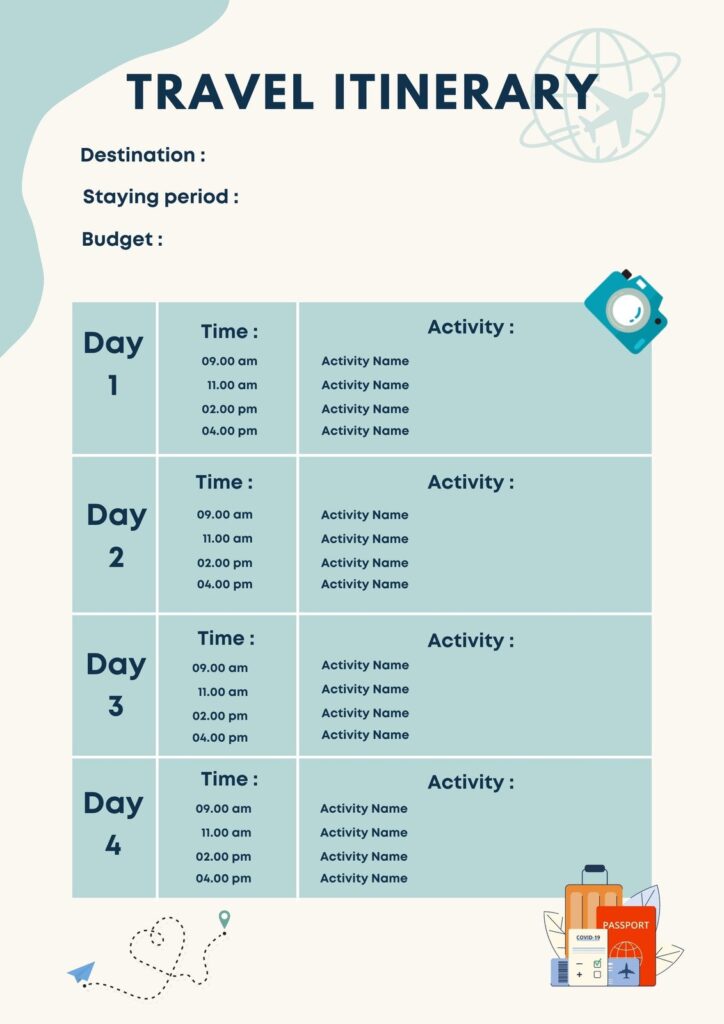
Tip 6: Budget Trip Planning — Get Activities and Experiences for Less
Experiences and activities are where many travelers feel forced to overspend. Entry fees, guided tours, adventure activities, and cultural experiences all add up quickly.
But here is the thing: many of the most extraordinary travel experiences in the world are completely free.
Free and Low-Cost Experiences Every Budget Traveler Should Know
Free walking tours exist in almost every major city globally — from London and Berlin to Bangkok, Mumbai, and Buenos Aires. These tours are run by knowledgeable local guides who work for tips. You pay what you feel the experience was worth at the end. They are consistently among the highest-rated activities on TripAdvisor in the cities where they operate.
Museums with free days — The British Museum, The Louvre (first Sunday of the month), the Smithsonian institutions in Washington D.C., and hundreds of other world-class museums offer free entry on specific days or to specific visitor categories. Always research before you book paid entry.
Nature is free. Beaches, mountains, national parks (often with minimal entry fees), hiking trails, waterfalls, deserts, and forests cost nothing to experience. Some of the most breathtaking moments in travel happen in places that charge no admission at all.
Local festivals and events — Check what is happening in your destination during your visit. Local markets, religious festivals, street fairs, and cultural events are almost always free to attend and offer an authentic window into local life that no paid tour can replicate.
H3: Budget Trip Planning Tips for Paid Activities
- Book in advance online — most attractions offer discounted rates for online bookings versus paying at the door
- Look for combo tickets — many cities offer tourist passes that bundle multiple attractions at a reduced overall price
- Use a student or youth card — ISIC cards and youth travel cards offer discounts at thousands of attractions worldwide
- Negotiate on group tours — if you are traveling with two or more people, always ask for a group discount
Tip 7: Manage Your Money Smartly on the Road
All the planning in the world means nothing if you lose money to poor financial habits while you are actually traveling. Smart money management is the final and often overlooked pillar of truly effective budget travel tips.
Avoid These Common Money Mistakes
Airport currency exchange — Bureau de change counters at airports are notorious for offering rates 10 to 15 percent worse than the actual exchange rate. Avoid them whenever possible. Withdraw local currency from an ATM inside the arrivals hall instead — the rate will be significantly better.
Dynamic currency conversion — When paying by card abroad, you are often asked whether you want to pay in your home currency or the local currency. Always choose the local currency. Paying in your home currency triggers a conversion by the merchant’s bank at a heavily inflated rate.
Foreign transaction fees — Standard bank cards charge 2 to 3 percent on every overseas transaction. Over a two-week trip, this adds up to a meaningful amount. Use a travel-friendly card with zero foreign transaction fees — options like Wise, Revolut, Niyo Global (for Indian travelers), or Charles Schwab (for US travelers) eliminate these fees entirely.
H3: Save Money While Traveling With These Financial Habits
- Set a daily spending budget and track it — even a simple notes app works. Awareness alone reduces overspending significantly
- Carry a small amount of local cash at all times for street food, local transport, and small vendors who do not accept cards
- Keep your cards and cash in two separate places — one in your day bag, one locked in your accommodation. If you are pickpocketed, you are not stranded
- Notify your bank before traveling to prevent your card being blocked for suspicious overseas activity
- Take out travel insurance — a single medical emergency abroad without insurance can cost more than ten years of travel insurance premiums combined
Real example: A solo traveler spent three weeks backpacking through Southeast Asia and kept a daily spending log in his phone’s notes app. On days he tracked his spending, he averaged $28. On days he did not, he averaged $41. The simple act of awareness saved him over $150 on a three-week trip.
Biggest Budget Travel Mistakes to Avoid
Before we move to the FAQ, here is a quick list of the most common mistakes budget travelers make:
- Over-packing and paying checked baggage fees — learn to travel carry-on only
- Not reading the fine print on budget airline tickets — hidden fees can double the advertised price
- Booking non-refundable everything — life is unpredictable; pay a little more for flexibility
- Ignoring free resources — free maps, free tours, free museums, free beaches
- Underestimating transport costs — always factor in the cost of getting to and from airports
- Not having an emergency fund — always carry a small buffer beyond your planned budget for genuine emergencies
- Exchanging currency at hotels — hotel exchange rates are almost always the worst available
FAQ Section
Q1: What are the best budget travel tips for first-time travelers? The best budget travel tips for first-time travelers are to book flights early, travel during shoulder season, stay in well-reviewed hostels or guesthouses, eat street food and local restaurants, use public transport, and track your daily spending. Starting with these six habits alone will put you ahead of the majority of first-time travelers.
Q2: How do I find cheap flights for budget travel? Use Google Flights’ calendar view to identify the cheapest travel dates, set up price alerts on Skyscanner, and book six to eight weeks in advance where possible. Flying on Tuesdays, Wednesdays, or Saturdays and choosing early morning or late-night departures also tends to yield lower fares. Flexibility with both dates and destination is the most powerful tool for finding cheap flights.
Q3: Is budget travel safe? Yes — budget travel is safe when approached with reasonable awareness and preparation. Staying in well-reviewed accommodation, keeping Budget Travel Tips Budget Travel Tips Budget Travel Tips Budget Travel Tips Budget Travel Tips Budget Travel Tips Budget Travel Tips Budget Travel Tips Budget Travel Tips Budget Travel Tips copies of your documents, using reputable transport options, purchasing travel insurance, and trusting your instincts in unfamiliar situations are all standard practices that make budget travel as safe as any other form of travel.
Q4: How much money do I need per day for budget travel? This varies significantly by destination. In Southeast Asia and South Asia, experienced budget travelers comfortably manage on $25 to $40 per day including accommodation, food, and local transport. In Western Europe, a realistic budget travel figure is $60 to $90 per day. In expensive cities like Tokyo, London, or Sydney, $80 to $120 per day is a reasonable budget travel target.
Q5: What are the best budget travel tips for saving on accommodation? The best budget travel tips for accommodation are to stay in highly rated hostels for social travel, book Airbnb apartments for longer stays to access Budget Travel Tips Budget Travel Tips Budget Travel Tips Budget Travel Tips Budget Travel Tips Budget Travel Tips Budget Travel Tips Budget Travel Tips Budget Travel Tips Budget Travel Tips Budget Travel Tips Budget Travel Tips Budget Travel Tips kitchen facilities, use Couchsurfing or housesitting platforms for free accommodation, always look for properties that include breakfast, and book directly with small guesthouses where possible to avoid platform fees and sometimes negotiate a better rate.
Q6: Can I travel the world on a tight budget? Absolutely. Thousands of people travel continuously on tight budgets using a combination of the strategies in this guide — working remotely, teaching English, doing seasonal work, housesitting, and slow traveling to reduce transport costs. Budget travel is less about how much money you have and more about how intelligently you use what you have.
Conclusion
Budget travel tips are not about deprivation — they are about making smarter decisions so that your money takes you further, your experiences go deeper, and your adventures become more frequent.
To bring everything together, here are the seven tips we covered:
- Plan early and stay flexible with your dates to find the cheapest flights
- Travel during shoulder season to slash accommodation and activity costs
- Use hostels, guesthouses, Couchsurfing, and housesitting to reduce accommodation expenses
- Eat street food, cook occasionally, and follow locals to the best cheap restaurants
- Use public transport, overnight buses and trains, and walking to cut transport costs
- Take advantage of free walking tours, free museum days, and nature for experiences
- Manage your money with the right cards, daily tracking, and smart currency habits
The world is more accessible than most people believe. You do not need to be wealthy to travel well. You need to be prepared, flexible, and willing to travel a little differently than the average tourist.
Pick one tip from this list and apply it to your next trip. Just one. See how much it saves you. Then come back and apply another. Before long, budget travel will feel less like a restriction and more like a superpower.
Where are you planning to go next? Start planning smarter today — the world is waiting.